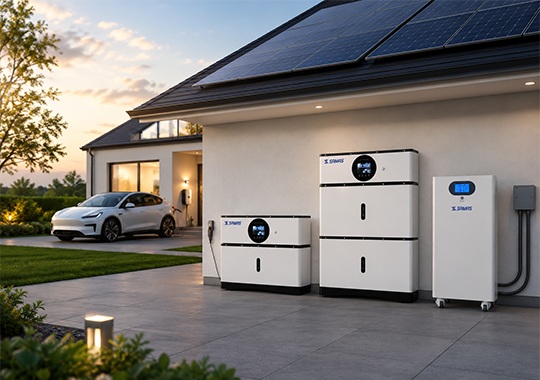
As energy price fluctuations intensify and businesses increasingly rely on stable power supply, electricity is no longer just a basic cost in daily operations. For factories, hotels, farms, industrial parks, retail facilities, and public institutions, energy management is gradually becoming a key link in controlling costs, ensuring operational stability, and achieving long-term sustainable development.
This is where commercial energy storage solutions demonstrate their value. Enterprises are no longer passively dependent on grid power supply but can store electricity, optimize electricity usage times, reduce peak electricity costs, and maintain the operation of critical equipment during grid outages through storage systems. When storage systems are combined with solar photovoltaics or other renewable energy systems, they can further help companies move towards low-carbon operations.
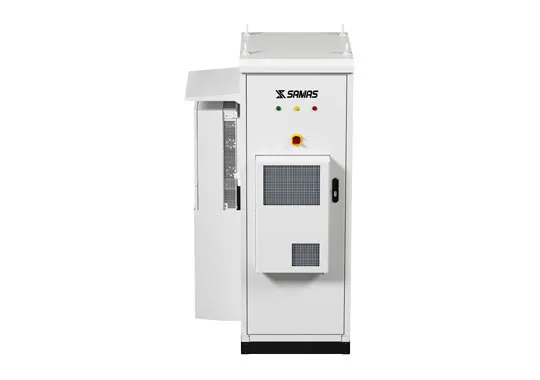
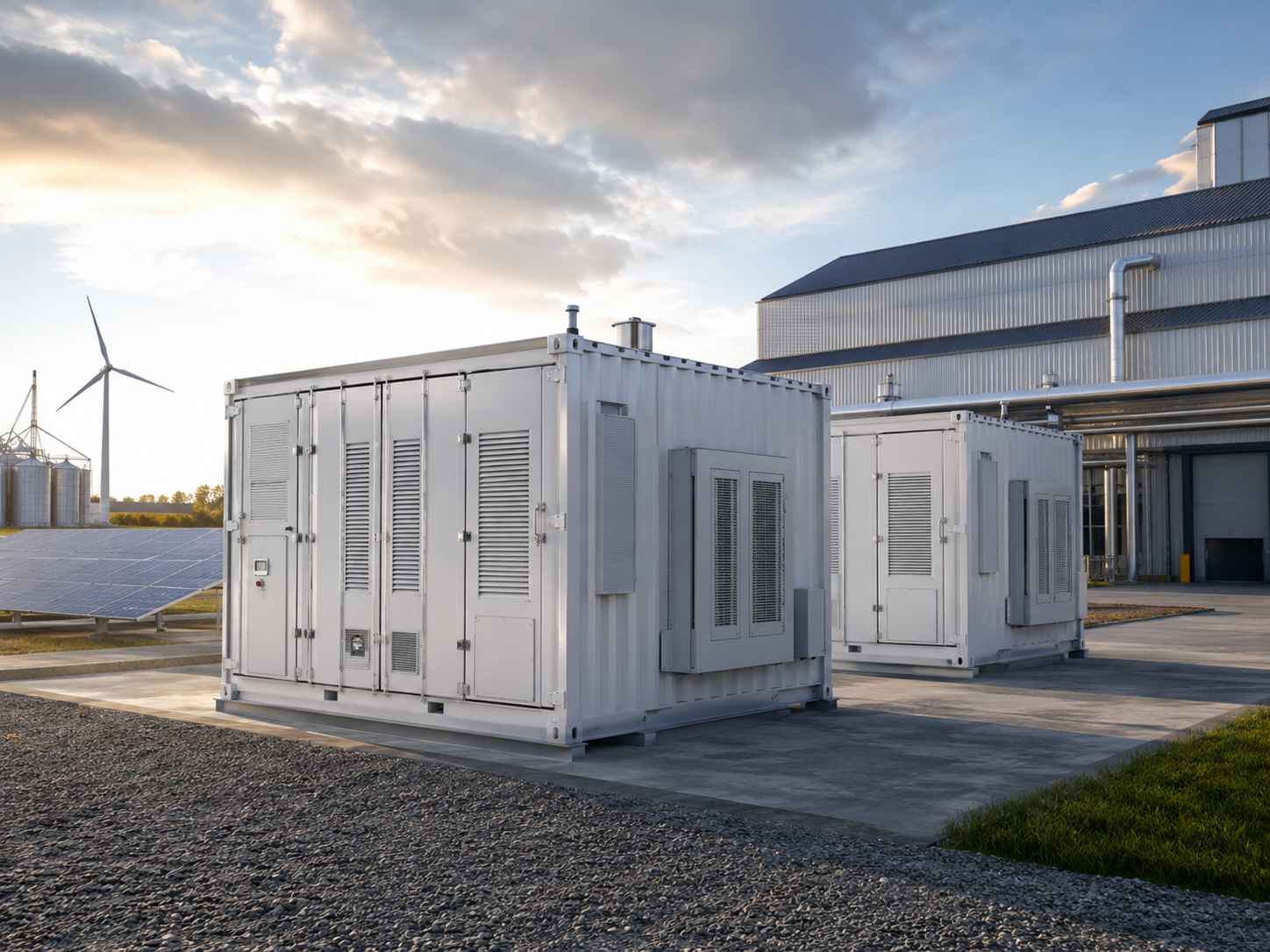
For companies looking to deploy flexible and scalable commercial energy storage systems, SAMAS offers integrated storage products for high-load commercial and industrial scenarios. From compact outdoor battery cabinets to containerized storage systems, these solutions can help businesses manage energy more intelligently while enhancing power supply reliability.
Commercial energy storage solutions refer to battery storage systems designed for commercial and industrial environments, used to store electrical energy and release it when needed. Unlike small home storage systems, commercial and industrial storage systems usually need to support higher power, larger capacity, and more complex operating scenarios.
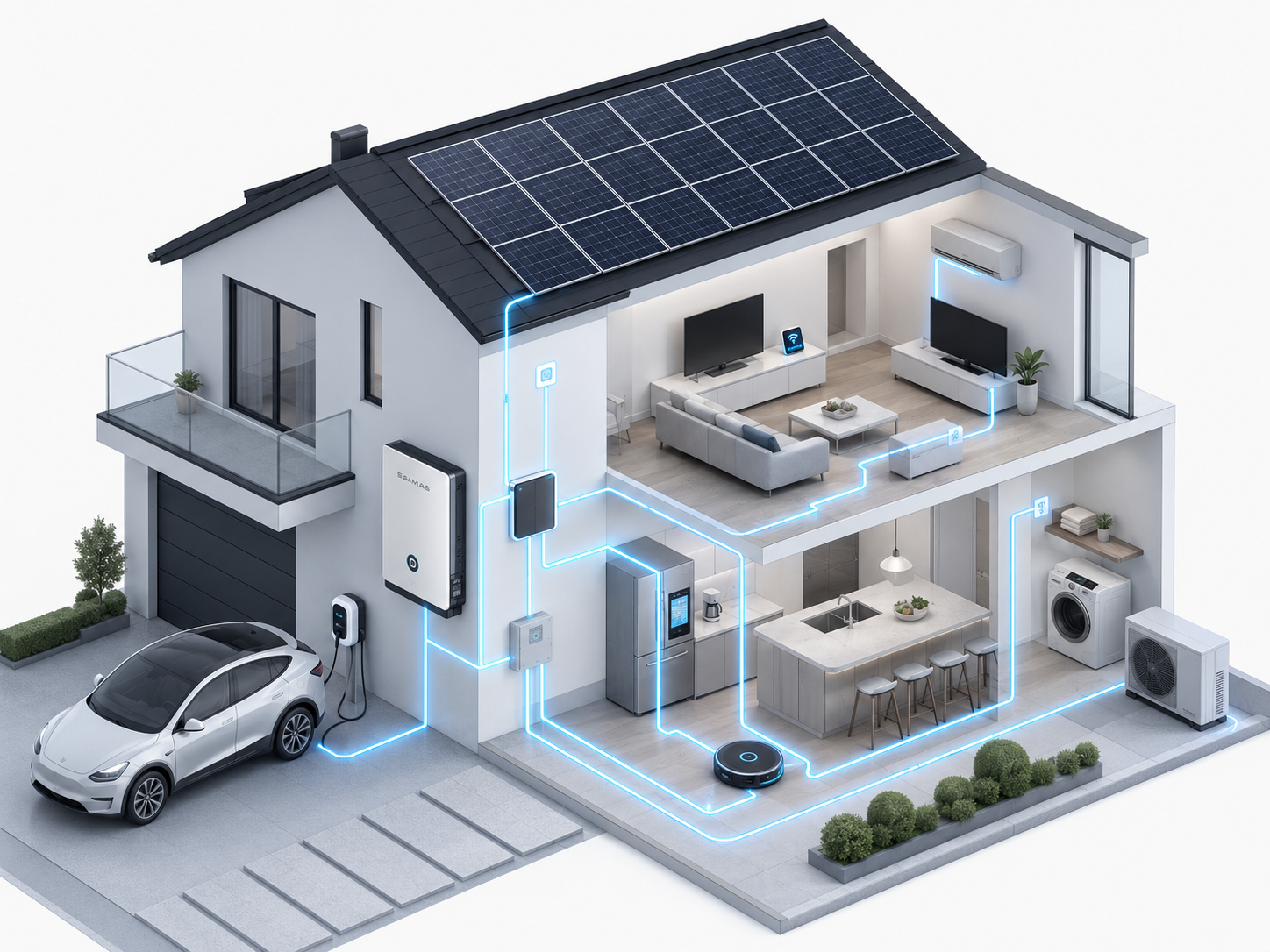
A typical commercial and industrial storage solution usually includes battery modules, battery management systems, power conversion systems, energy management systems, cooling systems, fire protection, monitoring functions, and grid-tied components. These systems work together to help devices safely and efficiently complete charging, storage, discharging, and energy scheduling.
For business users, the value of storage is not just about "storing electricity." The real value lies in how to use the stored electricity. A well-designed system can be charged during low electricity price periods or when photovoltaic power generation is sufficient and discharged during peak electricity price periods; it can also provide backup power when the grid is unstable or during outages. In remote areas or regions with limited grid capacity, storage systems can also enhance energy autonomy and reduce dependence on diesel generators.
SAMAS offers a variety of commercial and industrial storage product forms, including optical storage integrated machines, liquid-cooled containerized storage systems, container storage systems, air-cooled outdoor battery cabinets, and air-cooled optical storage systems, allowing enterprises to choose the most suitable solution based on site space, load requirements, power capacity, installation environment, and future expansion plans.
For many commercial and industrial users, electricity costs are not just dependent on total electricity consumption. Peak demand, time-of-use electricity prices, grid instability, and production interruption risks can all increase the comprehensive operational costs of enterprises. Commercial energy storage systems can help companies more proactively control electricity usage methods and times to address these issues.
Peak shaving and valley filling is one of the most common applications. During peak electricity usage periods, storage systems can release stored electricity to reduce the instantaneous power obtained by the enterprise from the grid, thereby reducing peak demand fees and alleviating the pressure on the enterprise's distribution system.
Another important application is peak and valley arbitrage. In regions with time-of-use electricity pricing, companies can charge during low electricity price periods and use stored electricity during high electricity price periods. For scenarios such as factories, warehouses, hotels, and commercial buildings with relatively stable electricity usage patterns, this model helps companies establish a more controllable long-term energy cost structure.
Backup power is also an important reason for enterprises to invest in storage systems. Grid interruptions may lead to production stoppages, cold chain goods loss, service interruptions, data loss, or security risks. A suitable storage system can continue to support the operation of key loads such as lighting, cooling equipment, production lines, pumps, communication equipment, and security systems during outages.
For companies that have already installed solar photovoltaic systems, storage can further enhance the utilization value of renewable energy. Companies can store the photovoltaic electricity generated during the day that is not immediately consumed and use it at night or during high-load periods, thereby improving photovoltaic self-use rate, reducing electricity waste, and building a more resilient energy structure.
The commercial value of commercial energy storage solutions can be understood from four aspects: cost control, power supply reliability, renewable energy utilization, and future-oriented energy management capabilities.
First, storage systems help reduce corporate electricity bills. By shifting electricity usage from high-price periods to low-price periods and reducing peak electricity demand, companies can form a more controllable energy cost structure. This is especially important for manufacturing plants, cold storage, logistics centers, hotels, shopping centers, and agricultural processing scenarios.
Second, storage systems can enhance backup power capabilities. Traditional backup power systems usually rely on diesel generators, which have issues such as noise, fuel dependency, and incompatibility with low-carbon development. Battery storage systems can serve as cleaner, faster-responding backup power solutions, supporting the stable operation of critical equipment during grid failures.
Third, storage allows commercial and industrial users to use solar energy more efficiently. Photovoltaic generation times do not always perfectly match corporate electricity usage peaks. Storage systems can store excess electricity generated during sufficient photovoltaic generation and release it when companies truly need it, thereby enhancing photovoltaic investment returns and energy autonomy.
Fourth, storage systems support smarter energy management. Through monitoring and control functions, companies can better understand load changes, battery operating status, grid interaction, and overall electricity usage patterns. For companies advancing zero-carbon factories, zero-carbon farms, or sustainable park constructions, storage can become a key infrastructure in carbon reduction strategies.
Therefore, commercial battery storage systems are no longer equipment used only in large power projects. They are becoming practical solutions used by business owners, facility managers, EPC contractors, industrial operators, and renewable energy project developers to enhance energy management capabilities.
Choosing the right commercial battery storage systems should first start from the actual electricity needs of the project site. The electricity usage patterns of heavy production factories are completely different from those of hotels, farms, retail centers, or public buildings. Before selecting a model, companies should focus on evaluating daily load curves, peak electricity demand, electricity price structures, backup power demand, photovoltaic generation capacity, available installation space, and future expansion plans.
Capacity is one of the primary considerations. Small commercial facilities may be more suitable for compact battery cabinet systems, while large factories or industrial parks may require higher capacity and higher power containerized storage solutions. SAMAS offers both cabinet and containerized commercial and industrial storage products, allowing projects to match system size according to actual operational needs.
Cooling methods are also important. For outdoor, high-load, or large-capacity application scenarios, good thermal management helps maintain battery performance and system safety. Depending on the project environment, companies can choose air-cooled or liquid-cooled systems.
Installation space will also affect system selection. Some companies prefer to deploy compact, highly integrated systems because they are easier to install and more suitable for sites with limited space. Other projects may focus more on modular expansion capabilities, allowing them to gradually increase storage capacity according to business growth in the future. For phased investment plans, scalable storage designs can reduce upfront investment pressure while retaining subsequent expansion space.
Safety and system integration capabilities cannot be ignored. A reliable commercial and industrial storage system should include battery management, fire protection, intelligent monitoring, electrical protection, and stable grid-tied design. For corporate users, the best solution is not necessarily the largest capacity battery but the system that best matches the site load, safety requirements, installation conditions, and commercial objectives.
When evaluating suppliers, companies should also pay attention to manufacturing capability, engineering support capability, OEM/ODM flexibility, and after-sales service capability. A partner with complete technical capabilities can help companies more efficiently complete the entire process from product selection to system deployment.
SAMAS Smart Energy Technology Co., Ltd. focuses on energy storage products and zero-carbon solutions. The company was founded in 2017, initially focusing on the research and manufacturing of new energy special vehicles, and gradually developed into a more comprehensive smart energy service provider. After a strategic upgrade, SAMAS established the Smart Energy Division and further launched the Zero-Carbon Solutions Division, forming a dual-core business model of "Energy Storage Products + Zero-Carbon Solutions."
This background is of significant value for commercial and industrial users. Storage is not just about purchasing a device; it is often part of a company's overall energy strategy. Companies usually need to comprehensively consider photovoltaic design, power storage, carbon management, operating costs, and future sustainable development goals. SAMAS combines storage systems with renewable energy design and carbon management services to help customers build integrated solutions for factories, parks, farms, and other scenarios.
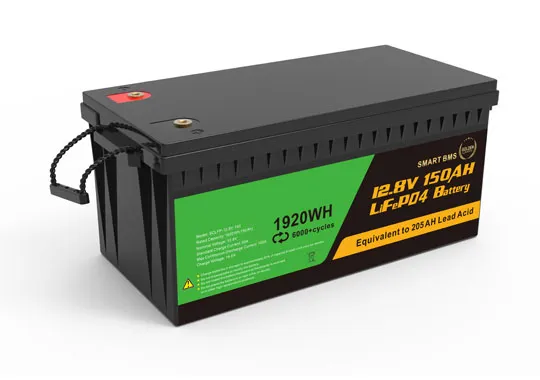
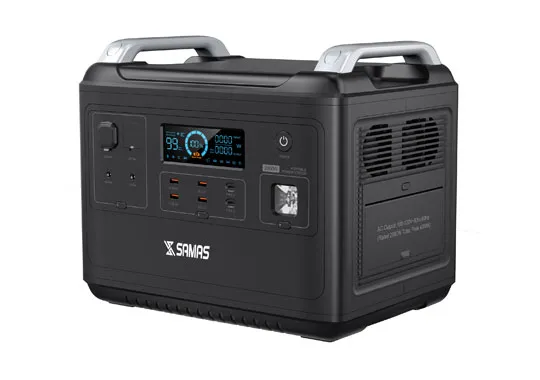
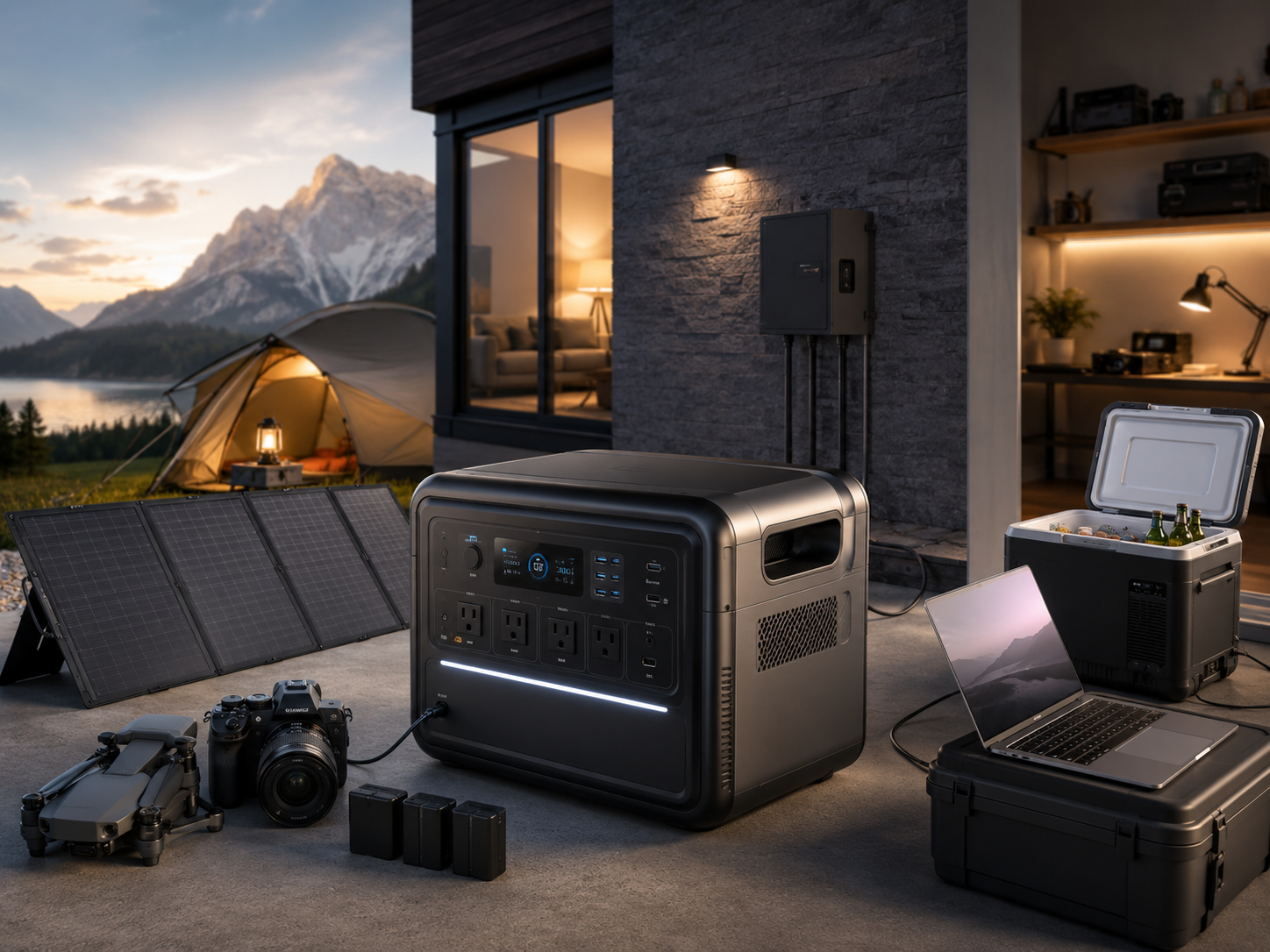
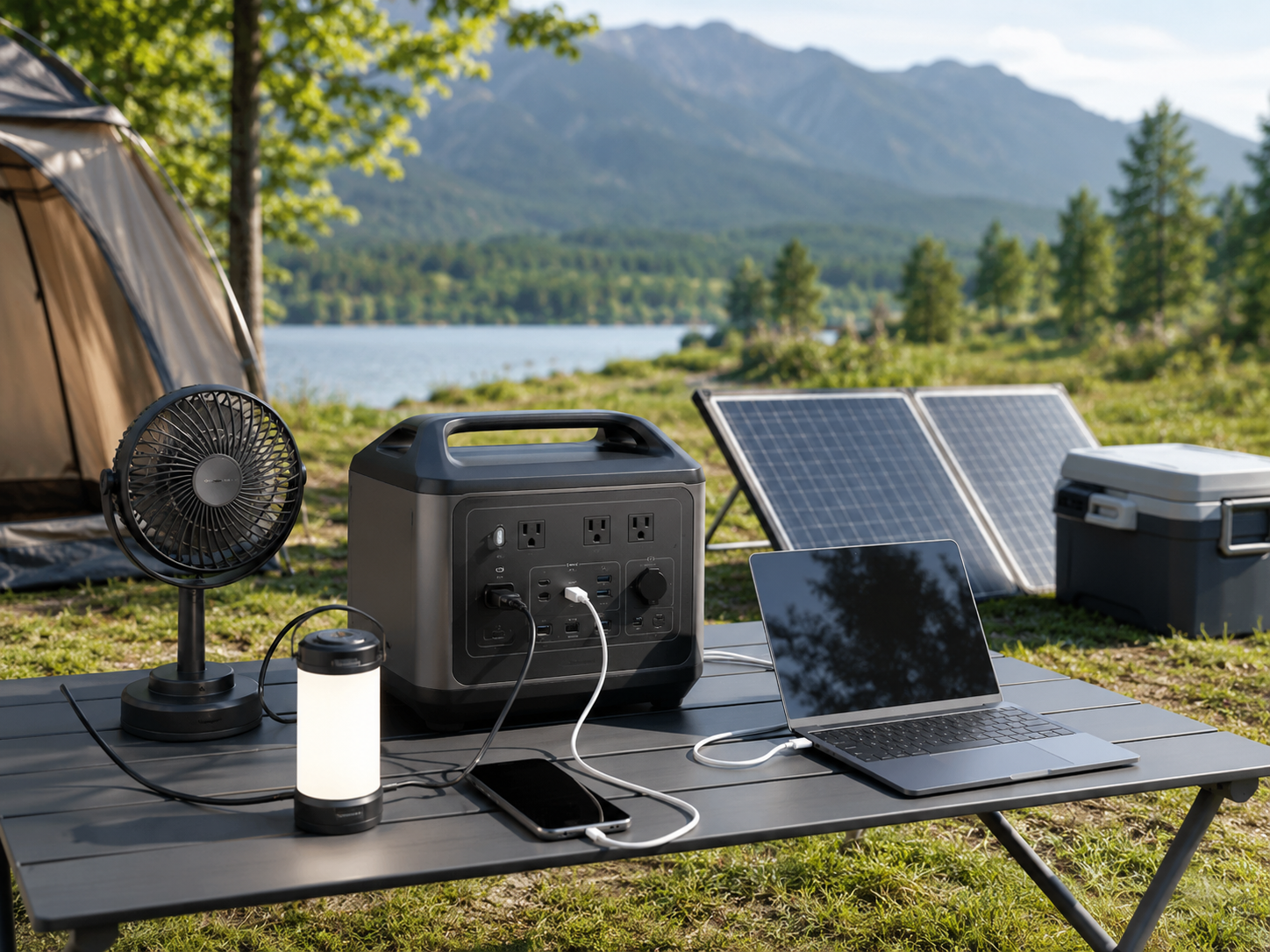
SAMAS's storage product portfolio covers mobile storage, residential storage, commercial and industrial storage, industrial storage, and vehicle power, among other directions. For commercial and industrial applications, SAMAS offers optical storage integrated machines, containerized storage systems, liquid-cooled containerized ESS, outdoor battery cabinets, and optical storage systems, among other product choices. Such a product matrix can help project parties choose different configurations based on capacity needs, installation space, cooling methods, grid-tied conditions, and application scenarios.
SAMAS also provides OEM/ODM services for global customers. The company has production bases in Shenzhen, an operations center in Chongqing, and service points and warehouses in multiple overseas regions, supporting international storage projects, distributors, EPC companies, and commercial customers with customization needs.
For businesses looking for reliable commercial energy storage solutions, SAMAS offers more than just standardized battery cabinets; it provides comprehensive services that integrate product manufacturing, system solution support, renewable energy integration, and zero-carbon planning capabilities to help customers reduce energy costs and enhance long-term competitiveness.
Storage is becoming an important component of modern corporate energy infrastructure. Whether a company's goal is to reduce electricity bills, enhance backup power capabilities, improve photovoltaic self-use rates, stabilize production operations, or support carbon reduction, commercial energy storage solutions can provide a smarter, more controllable way of energy management.
A reasonably selected commercial energy storage system can help companies optimize electricity usage times, reduce peak demand, enhance power supply reliability, and prepare for future energy challenges. For factories, hotels, farms, industrial parks, public institutions, and commercial facilities, a suitable storage system can transform energy from a passive cost into a manageable and optimizable operational asset.
As a smart energy and zero-carbon technology service provider, SAMAS offers scalable commercial and industrial storage products and integrated energy solutions to global customers. If your company is planning a commercial or industrial storage project, feel free to contact us to further discuss load requirements, application scenarios, installation conditions, and customized solutions.