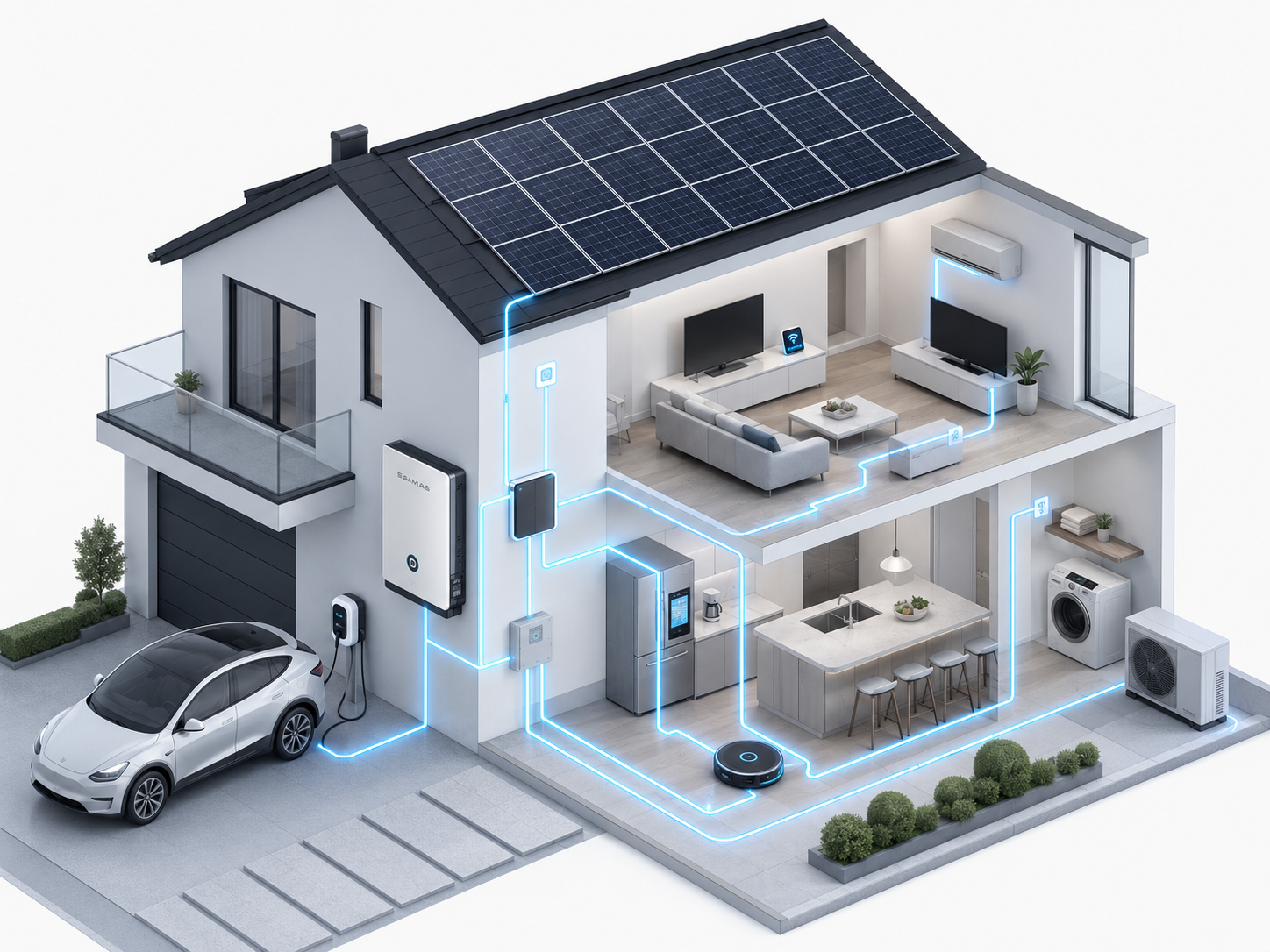
As solar energy becomes increasingly common in residential buildings, homeowners are no longer just concerned about whether they should install solar panels. The more important question has become: how can one store and use this solar power more efficiently? This is also a key reason for the continued growth of the power storage for home market.
Home batteries can store excess solar energy during the day and release it at night, during peak electricity pricing periods, or during power outages. For households with electric vehicles, high electricity demands, or those in areas with unstable power grids, battery storage can upgrade a basic solar system into a more intelligent home energy system.
However, choosing the right company is not just about selecting a well-known battery brand. Homeowners also need to compare system design, battery type, capacity, safety, solar compatibility, installation flexibility, backup power capability, service support, and long-term scalability.
This article will introduce the main types of companies offering home solar storage system products in 2026 and help homeowners understand which factors to focus on when making purchasing or partnership decisions.
The growth in demand for power storage for home is due to changing household electricity usage habits. Nowadays, many households use significantly more electricity due to air conditioning, home offices, smart appliances, heat pumps, and electric vehicles. At the same time, fluctuating electricity prices and grid stability remain concerns for many households in various regions.
Solar panels can reduce a home's reliance on grid electricity during the day, but they do not completely solve the issue of mismatched electricity usage times. Most households generate the most solar energy around midday, while actual electricity demand often peaks in the early morning and evening. Without battery storage, excess solar energy may be sent back to the grid, and households will still need to purchase electricity in the evening.
Home batteries can solve this problem. They can store solar energy not used immediately and release it when the household needs power the most. This helps to increase solar energy utilization, reduce grid dependency, and provide backup power for critical appliances during outages.
For homeowners, the core value lies in the ability to control electricity usage. With battery storage, households can more flexibly decide when to use solar power, when to draw from the grid, and how to protect critical loads. Therefore, residential storage is becoming a practical investment for solar homes, EV owners, rural residences, and high electricity usage households.
A reliable home solar storage system company should not just provide battery cabinets but should be able to support the complete household energy usage needs. When choosing a company, homeowners need to comprehensively evaluate it from multiple perspectives, including product safety, system compatibility, capacity scalability, and service capability.
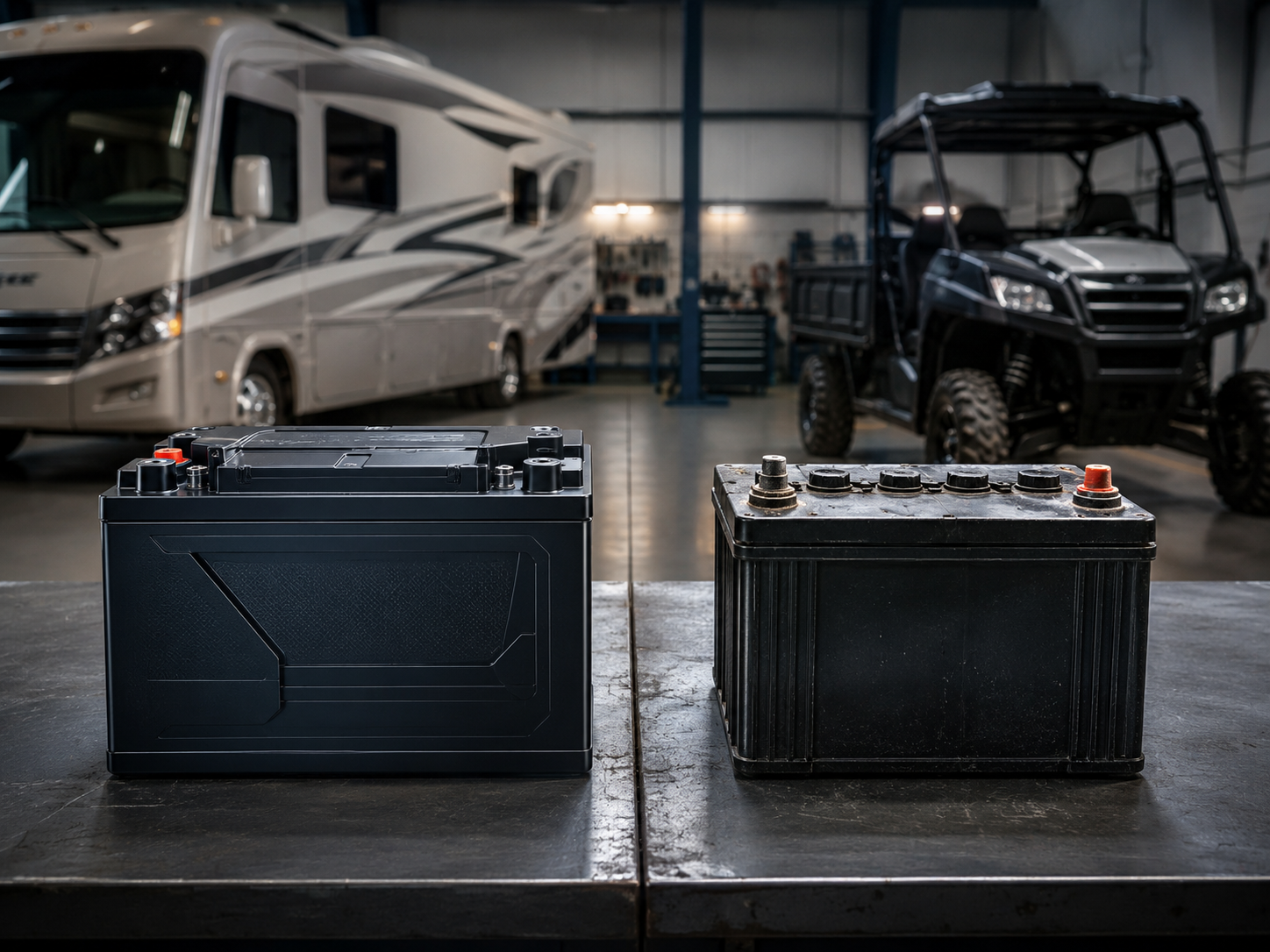
Firstly, battery safety is very important. Lithium iron phosphate battery technology is widely used in home storage systems due to its stability, longer lifespan, and suitability for daily cycling. A quality system should also include safety control features such as battery management, temperature monitoring, overcharge protection, and short circuit protection.
Secondly, the system should have good solar compatibility. Some households need to build new photovoltaic plus storage systems, while others have already installed rooftop solar and just want to add battery storage later. Excellent suppliers should be able to help users choose an integrated system, modular batteries, hybrid inverter systems, or AC-coupled storage solutions based on site conditions.
Thirdly, capacity and scalability are also crucial. A small-capacity battery may be sufficient for basic nighttime electricity use, but larger homes or EV users may require higher storage capacity. Modular systems allow households to start with a basic capacity and gradually expand as electricity needs grow, rather than investing in a maximum capacity system from the beginning.
Fourthly, installation flexibility will also affect user experience. Depending on the residential structure, the system may require wall-mounted, floor-standing, stackable, or rack-mounted installations. Practical home storage companies should offer product forms that adapt to different spaces and installation preferences.
Finally, after-sales service and customization capability are equally important. As a long-term investment, homeowners should choose companies that can provide technical guidance, system capacity design support, and stable service.
The home solar energy storage system product market comprises various types of companies. Some focus on well-known consumer-grade battery brands, some build complete inverter and battery ecosystems, some focus on battery manufacturing, and others offer customized residential storage systems. For homeowners, the right choice depends on solar compatibility, backup power needs, installation flexibility, capacity expansion capability, and long-term service support.
Tesla is one of the most well-known brands in the residential battery storage field. Its Powerwall product is noted for whole-home backup power, solar energy storage, and app-based energy management. For users looking for branded, integrated home battery systems, Tesla is usually a key consideration.
Enphase holds strong advantages in solar microinverters, battery storage, EV charging, and energy monitoring. For homeowners looking for a system where solar generation, battery storage, and smart energy management work collaboratively on the same platform, Enphase's ecosystem is attractive.
SolarEdge is an important brand in solar plus storage systems. Its home battery products are typically used with SolarEdge inverters to help homeowners store excess solar energy and use it when electricity prices are high or solar is unavailable.
BYD is well known for its battery manufacturing and energy storage technology. Its Battery-Box series offers modular residential storage options suitable for homeowners looking for scalable storage capacity and flexible system configurations.
Sonnen focuses on intelligent residential storage and energy management. It is often associated with high-end home energy systems, virtual power plant participation, and smart electricity management applications, suitable for users who prioritize intelligent energy dispatch.
FranklinWH provides systems aimed at whole-home energy management, with a focus on backup power and solar integration. For users looking for strong backup power capabilities and home-level load management features, FranklinWH is a common choice.
Panasonic and LG Energy Solution are also noteworthy brands, primarily because they have a deep background in battery technology. They are usually associated with battery cells, battery products, and long-term energy technology experience, suitable for users who prioritize battery technology accumulation and brand reliability.
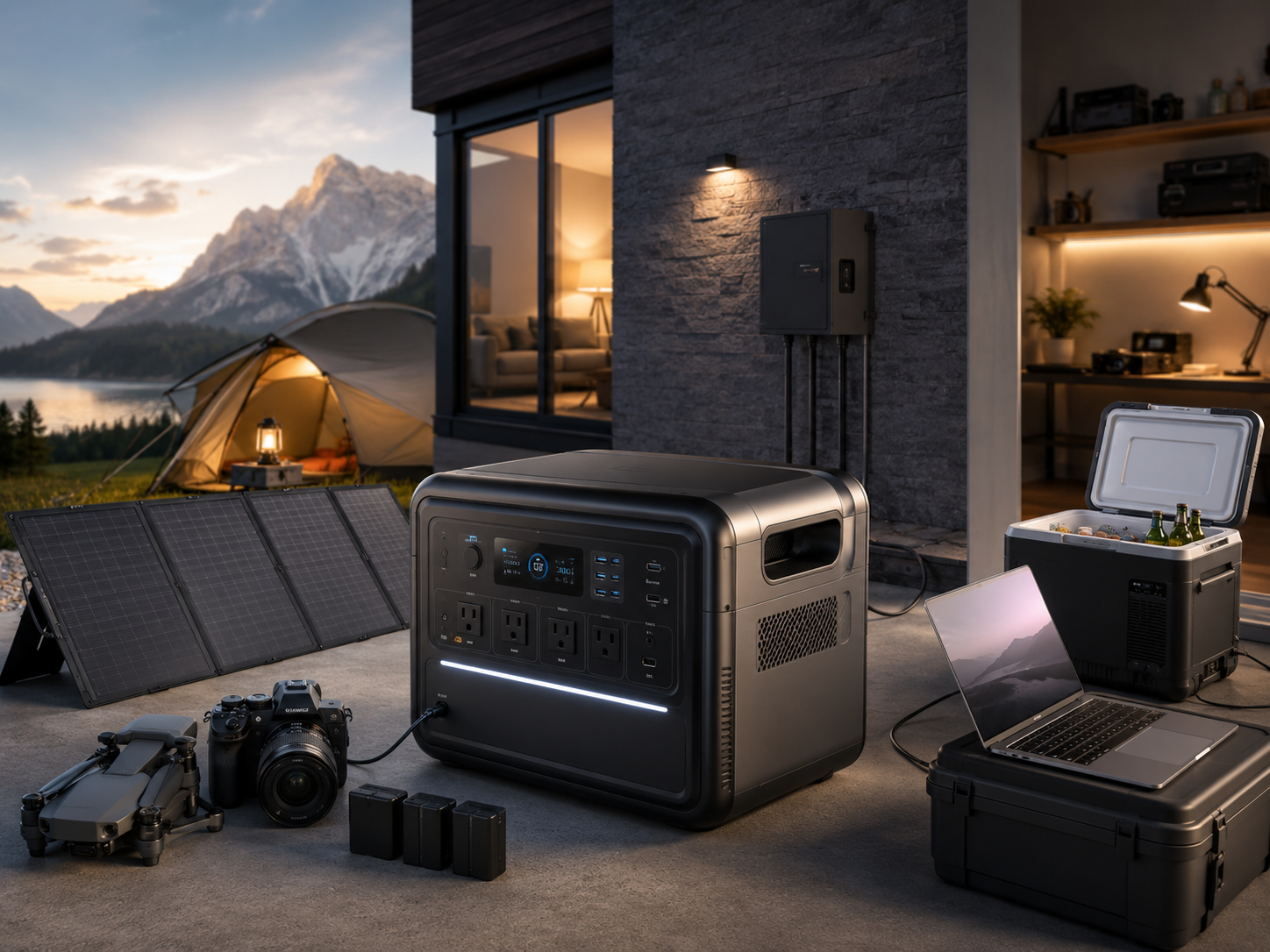
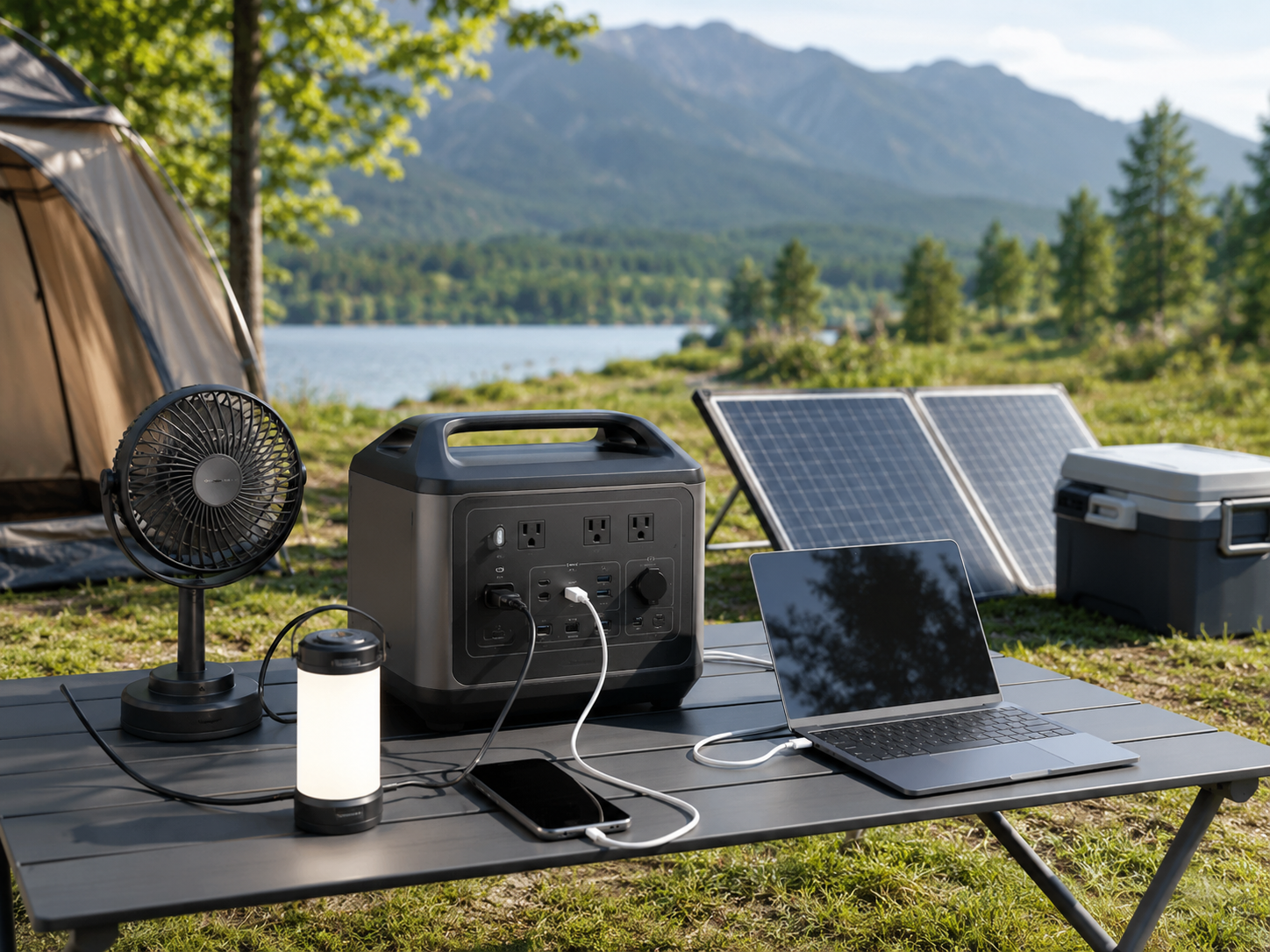
EcoFlow and Anker are gaining visibility in the home backup power and residential storage market. Their products typically attract homeowners looking for flexible backup power, smart control, and more convenient deployment methods.
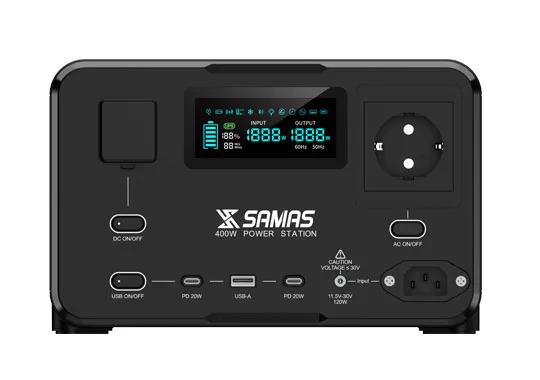
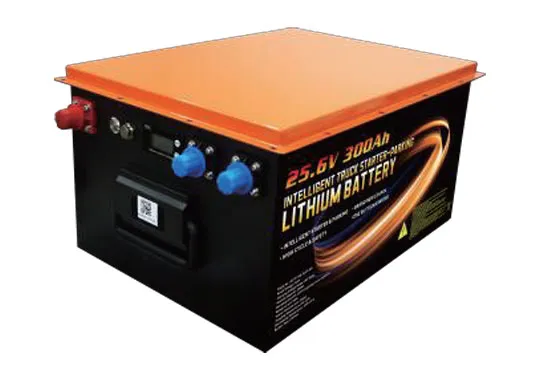
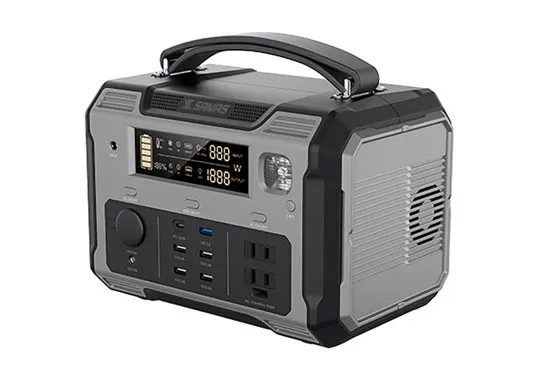
SAMAS is different from many consumer-only brands as it combines residential storage products with broader energy storage system capabilities. The company's product lineup covers mobile storage, residential storage, commercial storage, industrial storage, and vehicle power. For homeowners, installers, distributors, and project partners looking for customized residential storage products, SAMAS can offer practical system options and OEM/ODM support.
When planning battery storage at home, homeowners typically need to choose between integrated systems and modular battery systems.
An integrated home solar battery system combines key components such as batteries, inverters, and smart controls into a compact device. This type of system is suitable for households looking for a neater appearance, simpler installation, and more convenient system management. For new solar projects, if users want to plan solar power generation and storage systems together from the start, integrated systems are usually more suitable.
Modular battery systems are more flexible. They allow users to start with a smaller storage capacity and continue to expand as electricity needs increase in the future. For users planning to add EV charging, increase solar panel capacity, extend backup power time, or upgrade from basic storage to a larger home energy system, modular solutions are more advantageous.
SAMAS offers integrated home solar battery systems and home battery storage products that support various installation methods, including floor-standing, wall-mounted, stackable, and rack-mounted. This allows users to choose the appropriate system based on available space, electricity needs, and future expansion plans.
For users exploring home solar power storage, choosing the right system type is more important than simply selecting the largest capacity battery. Compact homes may only need critical load backup and nighttime solar use, while high electricity usage households may require larger, expandable systems.
SAMAS Smart Energy Technology Co., Ltd., established in 2017, has developed into a high-tech enterprise focused on energy storage products and zero-carbon solutions. After a strategic upgrade in 2024, the company established the Smart Energy Division focused on energy storage; in 2025, it launched the Zero-Carbon Solutions Division, focusing on carbon management, zero-carbon factories, and zero-carbon farms.
This has enabled SAMAS to form a dual-core business model of “Energy Storage Products + Zero-Carbon Solutions.” For residential storage projects, this means the company not only provides hardware products but also understands broader energy system design, renewable energy integration, and customized storage needs.
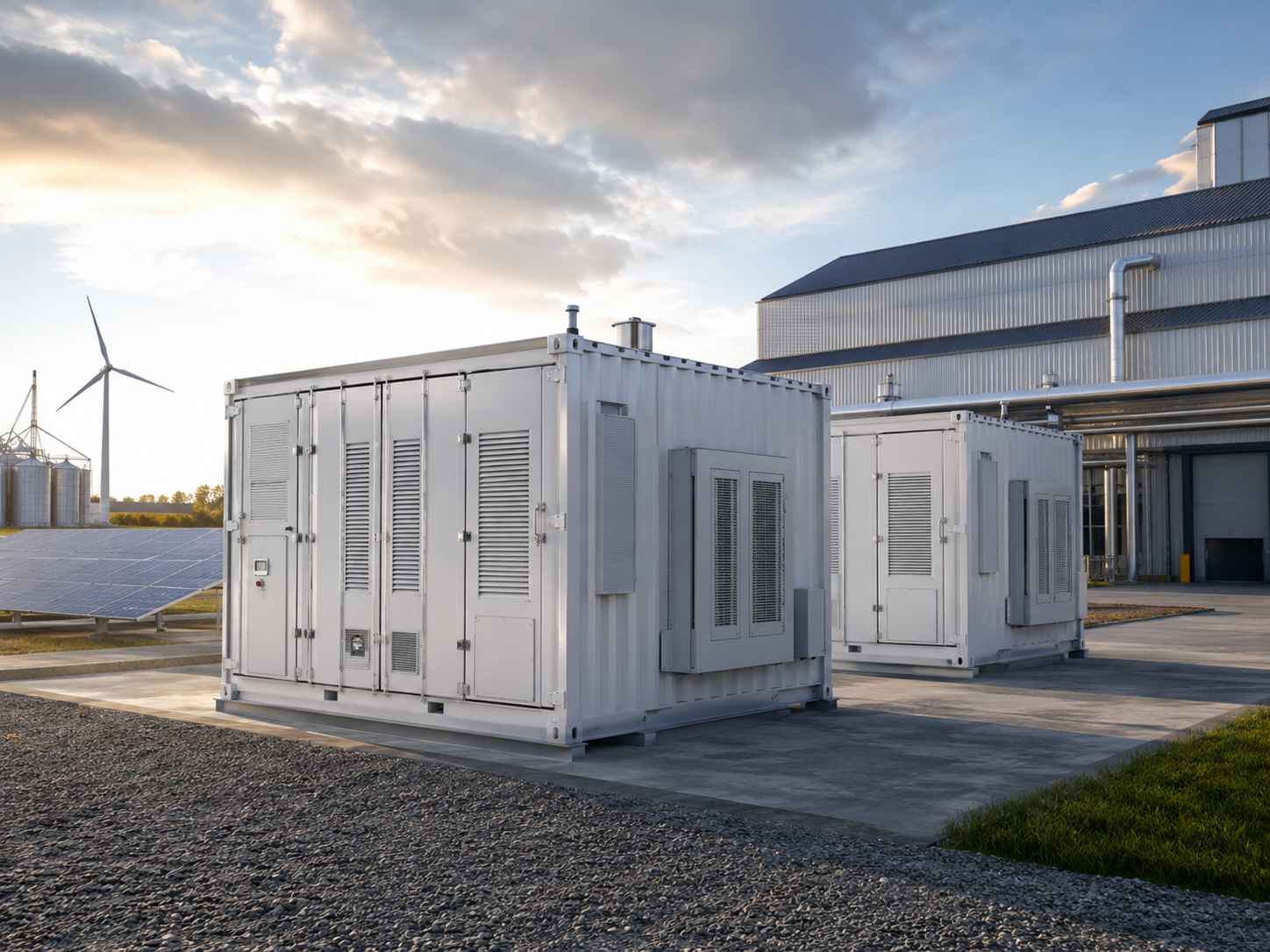
SAMAS’s energy storage products cover mobile storage, residential storage, commercial storage, industrial storage, and vehicle power. Its home solar and battery systems can support daily solar use, backup power, off-grid security, and scalable home energy management. For global partners, SAMAS also offers OEM/ODM services and supports global project delivery and service through its Shenzhen production base, Chongqing operation center, and multiple overseas service points and warehouses.
For homeowners, distributors, and energy project partners, when standard retail products cannot fully match project needs, SAMAS is a more practical choice. Whether the project requires compact installation, scalable battery capacity, solar integration, or customized system design, SAMAS can support residential storage projects through flexible products and manufacturing capabilities.
The most suitable home storage company is not necessarily the most well-known brand but the partner that best matches the household's energy goals, solar system design, backup power needs, installation space, budget, and future expansion plans.
A reliable home solar storage system should help households efficiently store solar energy, reduce grid dependency, protect critical loads during outages, and support long-term energy independence. For households with EV charging needs, high electricity demands, or those in areas with unstable power grids, a suitable home solar energy storage system can become an important part of daily energy management.
Before choosing a company, homeowners should compare battery safety, inverter compatibility, capacity, modular expandability, installation methods, monitoring features, and service support. They also need to determine whether they are more suited for standard retail batteries or need a customized system.
SAMAS offers residential storage products and customized energy storage capabilities for global customers and partners. If you are planning a home solar storage project, need OEM/ODM support, or wish to compare the appropriate system configurations for a target market, feel free to contact us to further discuss your application needs.