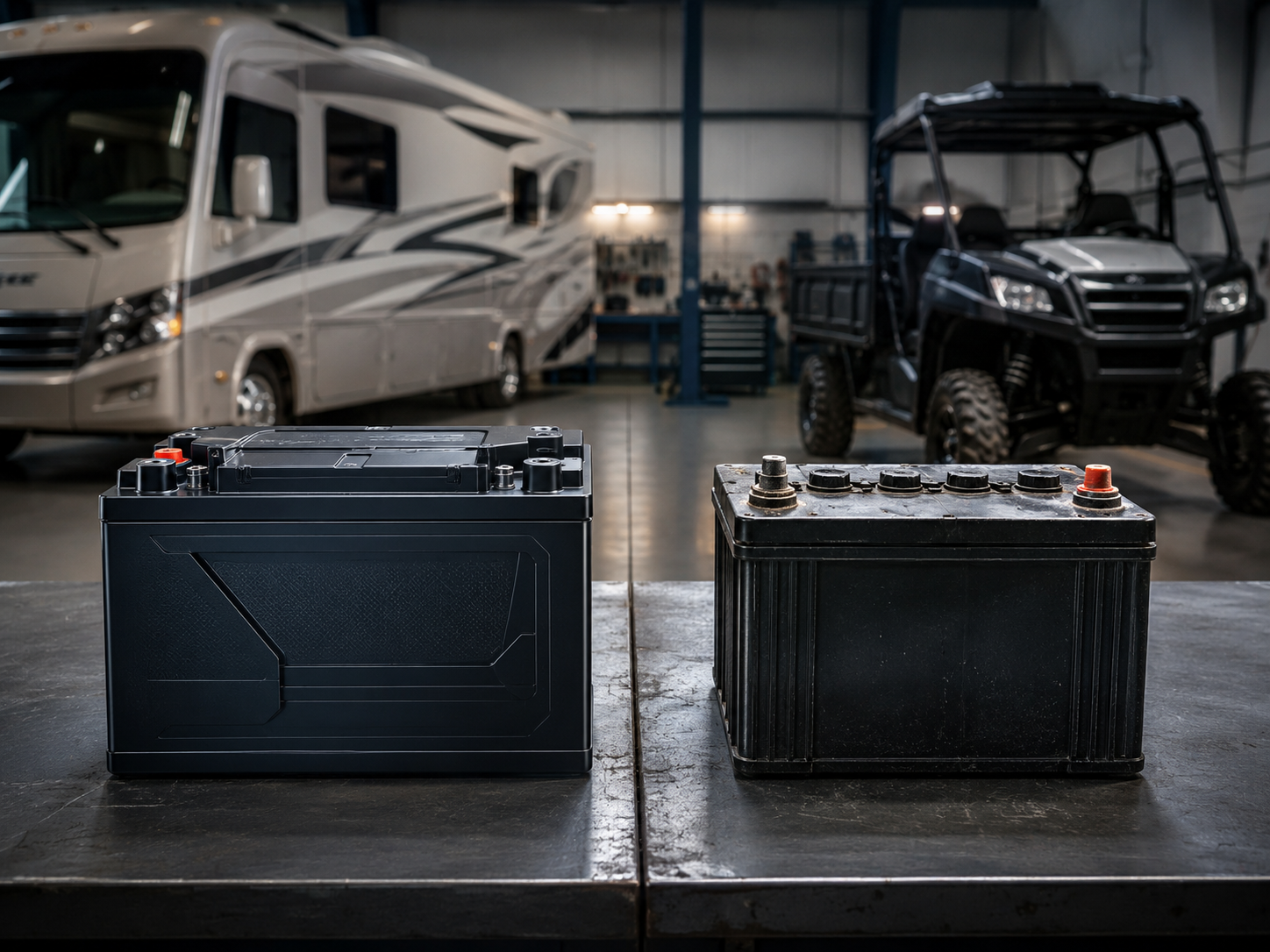
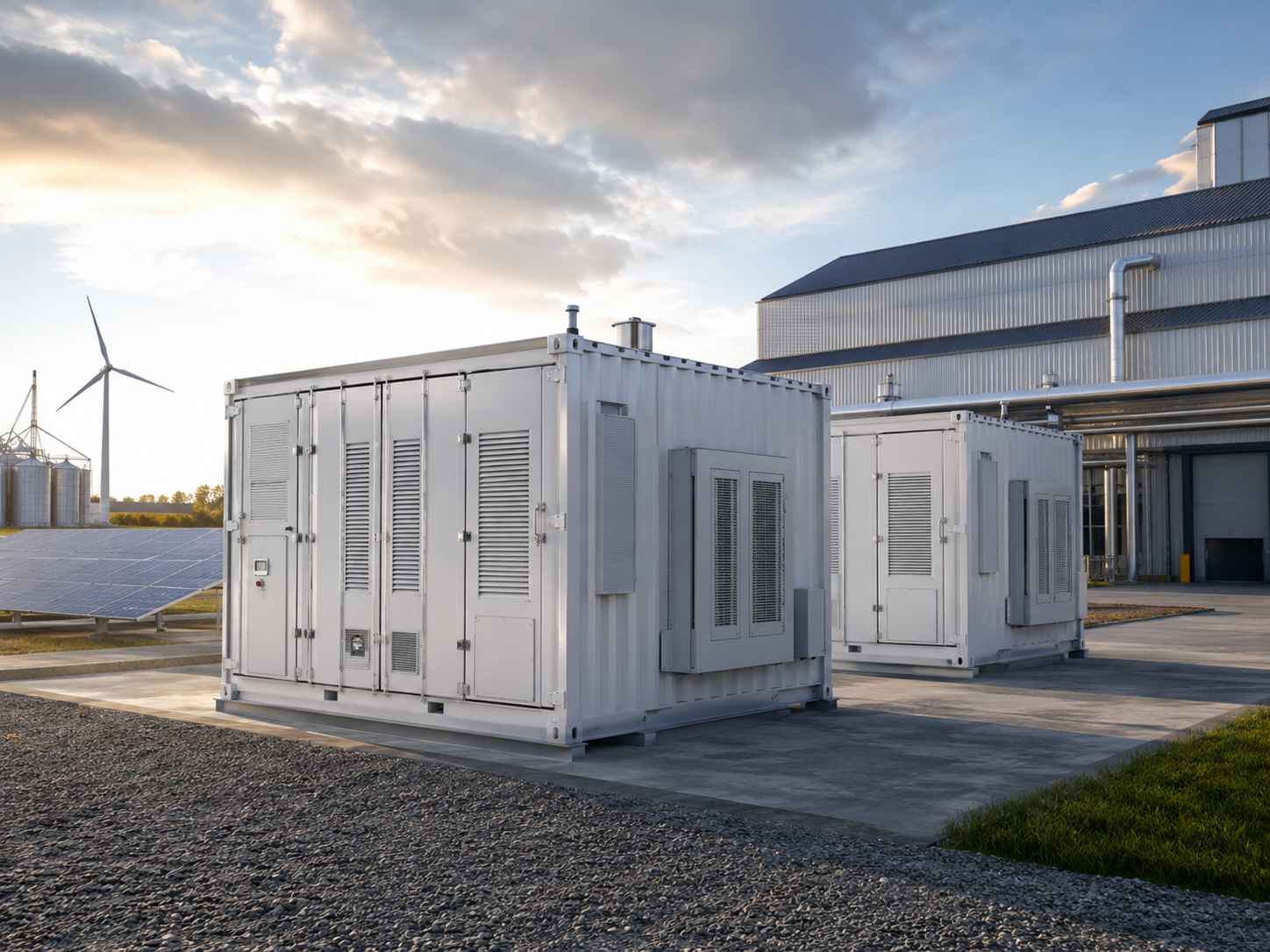
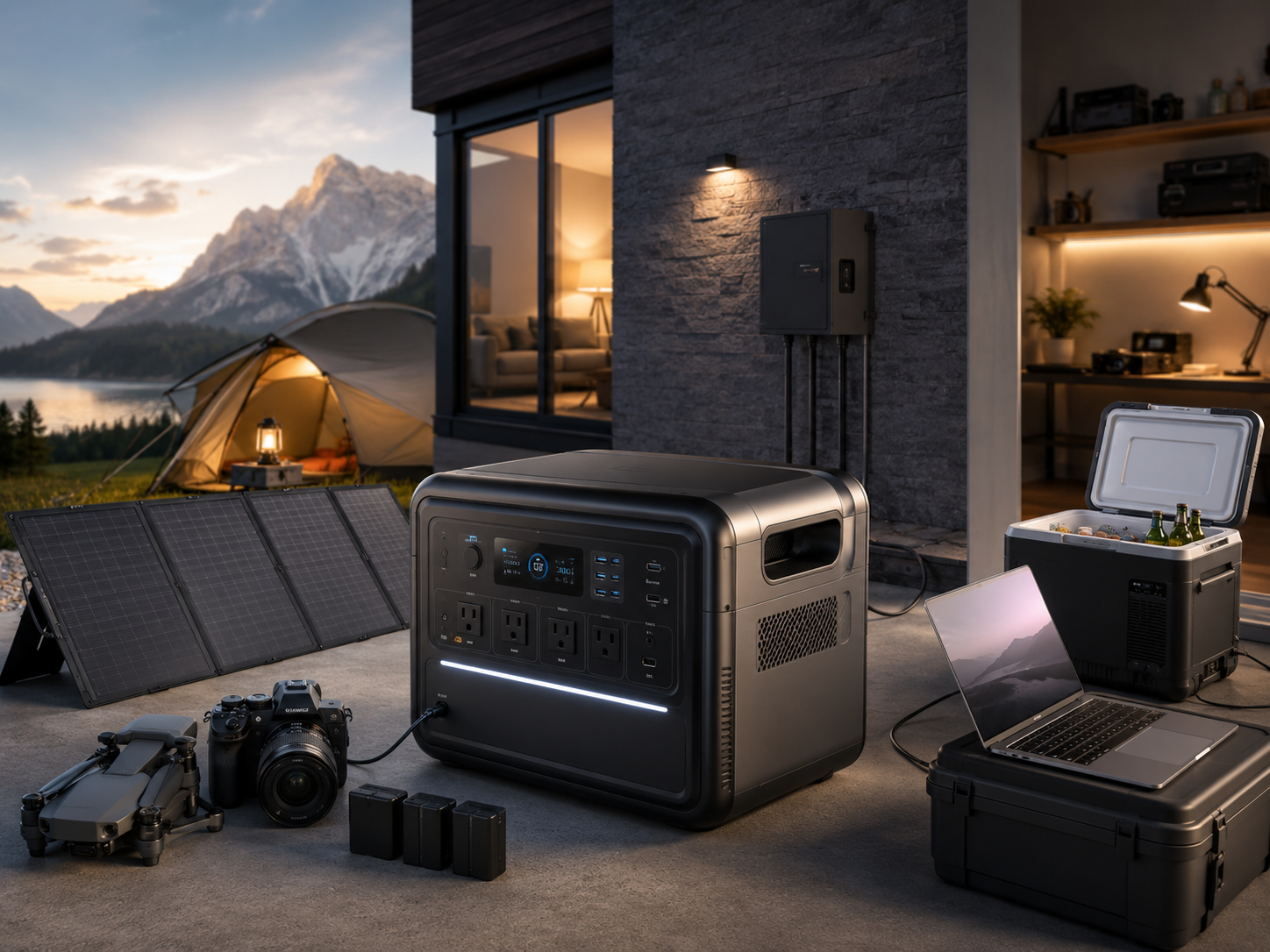
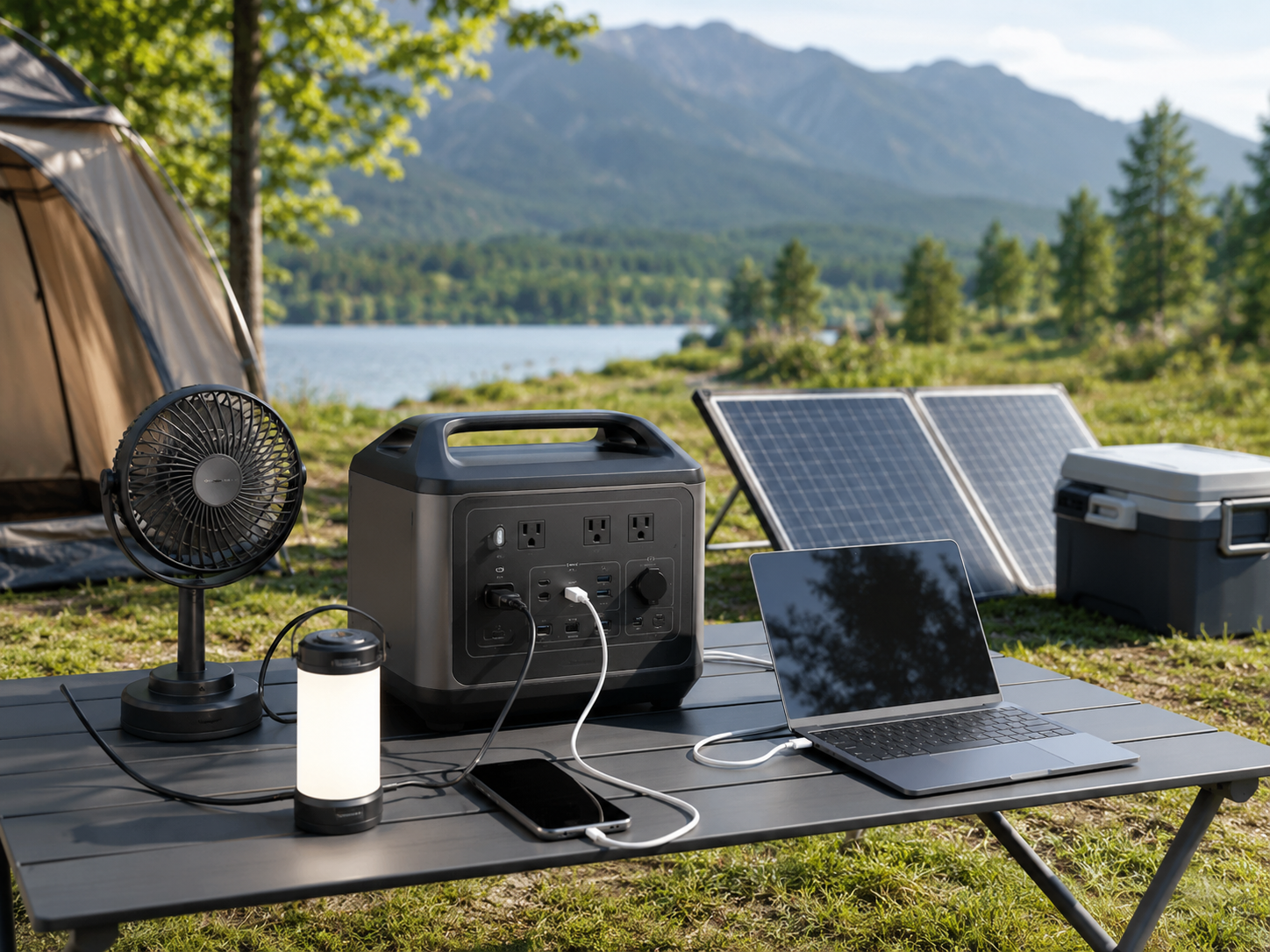
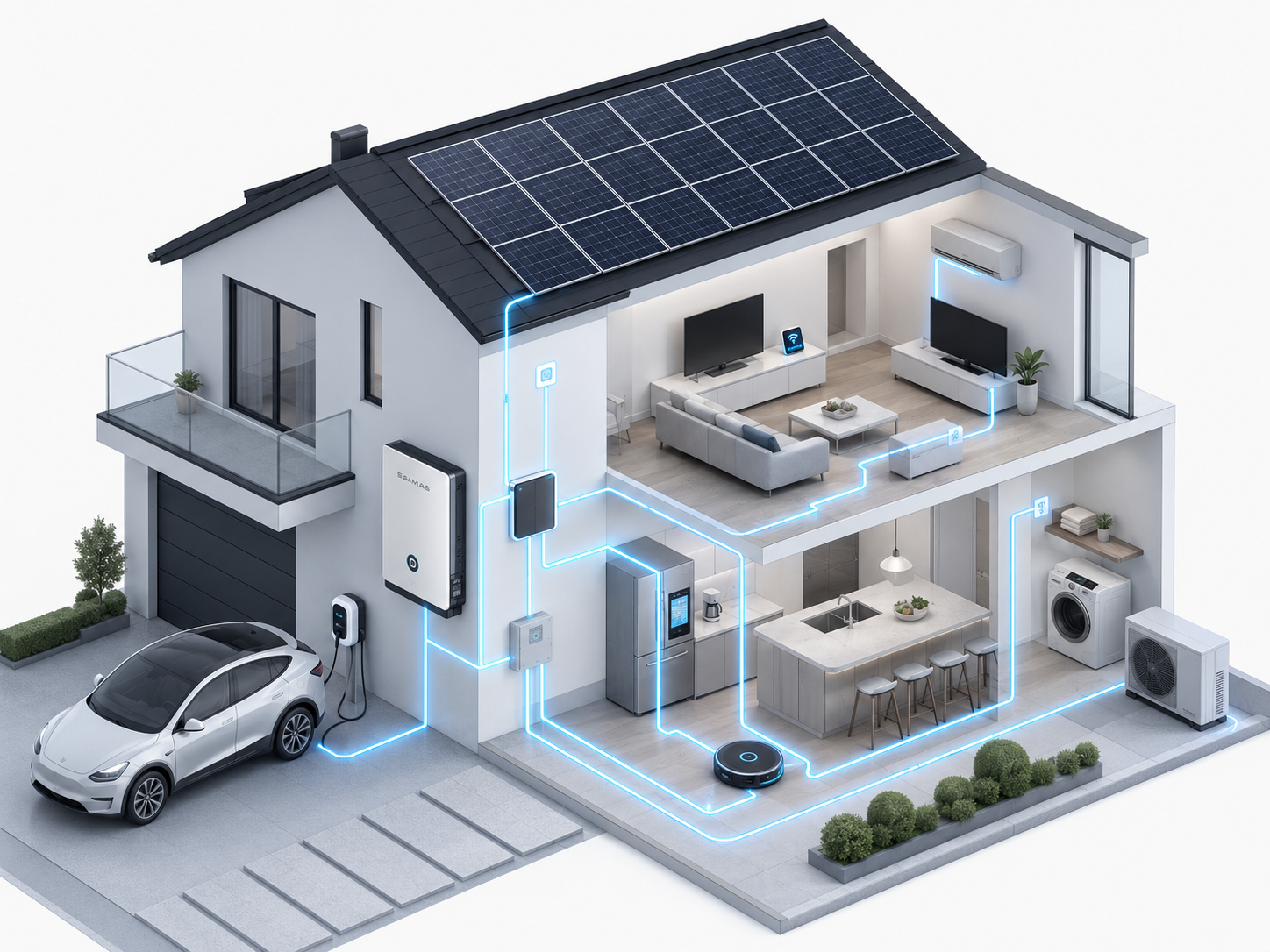
Battery energy storage system design is the process of turning a project requirement into a safe, reliable, and scalable energy storage solution. For solar, wind, and commercial projects, the design should not start from battery capacity alone. It must consider load profile, backup target, grid connection, renewable generation, PCS power, BMS/EMS logic, thermal management, safety protection, and future expansion.
SAMAS provides Battery Energy Storage System Design for home, commercial, industrial, and renewable projects. Buyers can also connect system design with Solar Energy Storage Design and Wind Power Energy Storage Design when the project includes renewable generation.
Battery energy storage system design means selecting and integrating batteries, PCS, BMS, EMS, thermal management, safety protection, and communication control according to the real operating scenario. The goal is to make the system safe, reliable, efficient, and suitable for the customer’s project conditions.
The design process is important because the same battery capacity can perform very differently in two projects. A solar farm may need energy shifting. A factory may need peak shaving. A remote site may need off-grid reliability. An EV charging station may need fast response and load buffering.
For general background, the U.S. Department of Energy explains how storage helps solar power contribute when sunlight is not available through its solar energy and storage basics resource.
The first design step is not technical calculation; it is business clarification. A buyer should define whether the project is for backup power, energy cost reduction, solar self-consumption, wind power smoothing, off-grid supply, EV charging support, or net zero planning. Different goals require different control strategies.
For example, a factory that wants peak shaving needs demand data and tariff rules. A farm that wants stable off-grid power needs daily consumption and renewable generation data. A commercial building that wants backup power needs a critical-load list and required backup hours.
A correct design must separate power and energy. Power, measured in kW, decides how many loads can run at the same time. Energy, measured in kWh, decides how long they can run. Many project mistakes happen when buyers only ask for a battery size without explaining peak load and runtime.
Input Data | Why It Matters | Example Buyer Question |
Peak load | Determines PCS power | What is the maximum kW demand? |
Daily consumption | Determines storage capacity | How many kWh are used per day? |
Critical load list | Defines backup priority | Which loads must keep running? |
Backup duration | Affects battery capacity | How many hours of backup are required? |
Renewable generation | Affects charging source | How much PV or wind power is available? |
Site environment | Affects cooling and protection | What are temperature, space, and installation limits? |
The battery system and PCS must be designed together. If the battery is large but PCS power is too small, the system may not support peak demand. If PCS power is high but battery capacity is too small, runtime will be short. For a balanced design, SAMAS reviews capacity, power rating, charge/discharge rate, installation method, and expansion plan.
This is where energy storage system design services become valuable. A supplier should help buyers compare different configurations, not just quote a fixed model. For C&I applications, the right answer may be a container system, outdoor cabinet, or PV-storage integrated machine depending on the project.
A battery energy storage system is not only a battery cabinet. BMS monitors cell and pack status. EMS controls energy dispatch according to price, load, PV output, and backup priority. Thermal management maintains stable operation. Fire protection and fault warning reduce project risk.
Design Layer | Main Function | Project Value |
BMS | Battery monitoring and protection | Improves safety and battery health management. |
EMS | Energy scheduling and operation strategy | Supports peak shaving and renewable self-consumption. |
PCS | Power conversion | Connects battery, grid, and load. |
Thermal management | Temperature control | Improves operating stability. |
Fire protection | Safety response | Supports project compliance and risk control. |
Remote monitoring | System visibility | Helps operation and maintenance teams. |
Solar energy storage design focuses on storing surplus PV generation, increasing self-consumption, and providing backup power when solar output drops. Wind power storage design must handle fluctuating generation and site conditions. C&I design usually emphasizes demand charge reduction, peak shaving, backup power, and operational reliability.
Buyers should avoid using one standard design for every scenario. A commercial site with stable daytime load, a farm with seasonal energy demand, and a wind project with fluctuating output will require different control logic and capacity planning.
SAMAS can help project buyers analyze application scenarios, compare product formats, and select a suitable system architecture. Buyers can start from Battery Energy Storage System Design, review related Commercial & Industrial Energy Storage Systems, and then contact SAMAS with project data for a tailored proposal.
Battery energy storage system design should be based on project goals, load data, renewable input, safety requirements, and operation strategy. A strong design improves reliability, reduces risk, and helps buyers select the right combination of battery capacity, PCS power, BMS, EMS, and system format. For solar, wind, and C&I projects, early engineering discussion can prevent costly mismatches later.
Key data includes project location, load profile, daily energy consumption, peak demand, backup duration, renewable generation input, grid condition, and installation environment.
Yes. Solar storage usually focuses on PV self-consumption and backup, while wind storage must handle generation fluctuation and dispatch strategy.
Yes. SAMAS can support commercial and industrial storage design, including capacity planning, product selection, and system integration advice.
It depends on capacity, power demand, installation space, expansion plan, and site environment. Container systems are better for larger projects, while cabinets may fit smaller distributed sites.