For campers, RV users, mobile vendors, outdoor workers, and emergency-preparedness buyers, one of the most important questions is: what will a 1000 watt solar generator run in real-world conditions?
A 1000w solar generator can generally support phones, laptops, LED lights, Wi-Fi routers, small fans, cameras, CPAP machines, mini refrigerators, and other essential devices. However, the actual result depends on the running wattage, startup surge, battery capacity, inverter efficiency, and number of appliances connected at the same time.
It is also important to understand that 1000 watts describes the generator’s output capability—not its total operating time. For a broader explanation of suitable applications, read our guide on what a 1000 watt solar generator can power.
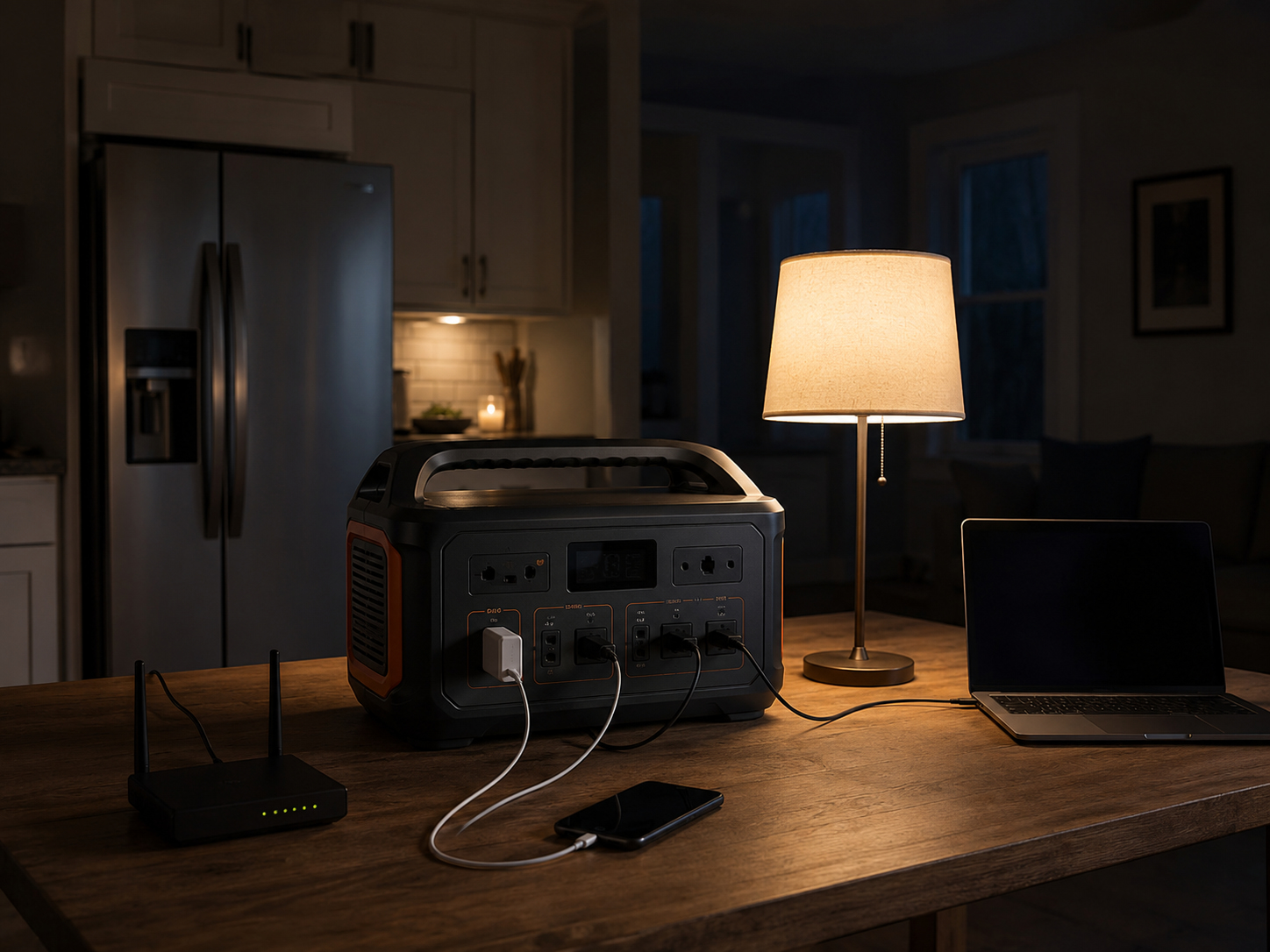
A 1000 watt portable power station can operate appliances whose total continuous load remains within the inverter’s rated output.
For example, a 100W laptop may operate normally, while a 1200W microwave may exceed the output limit. Motor-driven equipment such as refrigerators may use relatively little power during normal operation but require considerably more power for a few seconds when the compressor starts.
The following table provides a practical reference. Actual wattage varies by model, operating mode, age, and energy-efficiency rating.
| Device or Appliance | Typical Running Power | Can a 1000W Generator Run It? | Important Notes |
|---|---|---|---|
| Smartphone or tablet | 10–30W | Yes | Suitable for repeated charging |
| Laptop | 45–100W | Yes | Practical for remote work |
| Wi-Fi router | 10–30W | Yes | Useful during short outages |
| LED lights | 5–60W | Yes | Several lights may operate together |
| Television | 50–150W | Usually yes | Screen size and technology affect consumption |
| CPAP machine | 30–80W | Usually yes | Heated humidifiers can increase power use |
| Portable fan | 20–80W | Yes | Suitable for camping and emergency use |
| Mini refrigerator | 60–120W running | Usually yes | Confirm compressor startup surge |
| Full-size refrigerator | 100–300W running | Depends | Starting power may be several times higher |
| Blender | 300–800W | Usually yes | Check startup and peak wattage |
| Coffee maker | 600–1000W | Short use only | Heating elements consume energy quickly |
| Microwave oven | 700–1200W or more | Depends | Input power may be higher than cooking power |
| Electric kettle | 1000–1800W | Usually no | Many models exceed the inverter limit |
| Space heater | 750–1500W | Usually no | High continuous load drains the battery quickly |
| Air conditioner | 800–2000W or more | Usually no | Requires higher output and surge capacity |
Always check the appliance nameplate or manufacturer specifications before connecting it to a 1000 watt portable solar generator.
Runtime is mainly determined by battery capacity, measured in watt-hours or Wh. Two generators can both have a 1000W inverter while providing very different operating times if their battery capacities are different.
A simple planning formula is:
Estimated Runtime = Battery Capacity × 0.85 ÷ Appliance Wattage
The 0.85 factor provides a general allowance for inverter losses and real operating conditions. It is an estimate rather than a guaranteed result.
For a generator with approximately 1000Wh of battery capacity:
| Connected Load | Approximate Runtime |
| 20W | About 42.5 hours |
| 50W | About 17 hours |
| 100W | About 8.5 hours |
| 200W | About 4.25 hours |
| 500W | About 1.7 hours |
| 800W | About 1 hour |
Actual runtime may be affected by temperature, inverter efficiency, battery condition, standby consumption, appliance cycling, and changes in the connected load.
Before buying a 1000 watt battery powered generator, create a list of the devices you expect to operate. Record four details for each device:
Running wattage
Startup or surge wattage
Expected operating hours
Number of devices used simultaneously
For example:
A 60W laptop used for five hours requires approximately 300Wh.
A 20W router used for eight hours requires approximately 160Wh.
Four 10W LED lights used for six hours require approximately 240Wh.
Together, these devices require about 700Wh before conversion losses. A generator with around 1000Wh of usable battery capacity may therefore be suitable for this short backup requirement.
However, adding a refrigerator, coffee maker, or cooking appliance would increase the energy requirement significantly.
Running wattage is not the only figure that determines whether an appliance can operate.
Devices containing compressors, motors, or pumps may require a brief surge of power when starting. Refrigerators, freezers, water pumps, air compressors, and some power tools are common examples.
A refrigerator may use only 150W during normal operation but require substantially more power when its compressor starts. If the generator’s surge output is too low, the appliance may fail to start even though its normal running wattage is below 1000W.
When evaluating a solar generator, compare:
Continuous AC output
Peak or surge output
Battery capacity
Appliance startup requirement
Total simultaneous load
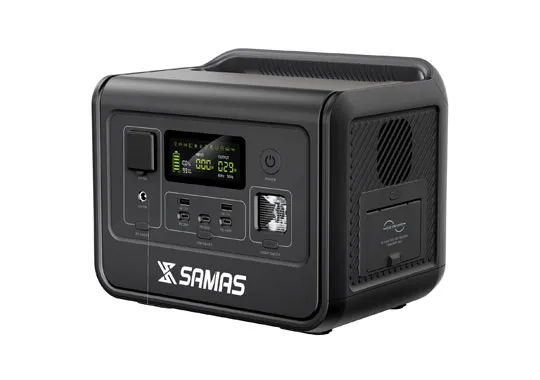
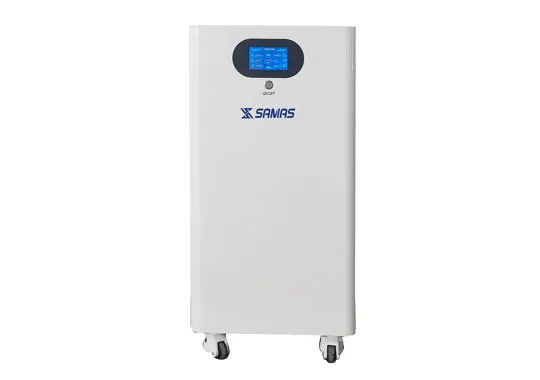
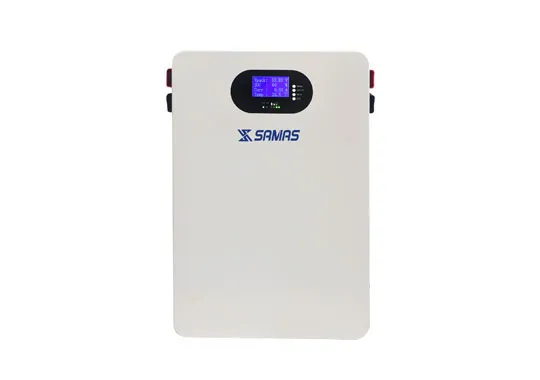
The SAMAS 1000 watt solar generator category can be evaluated according to these factors rather than inverter wattage alone.
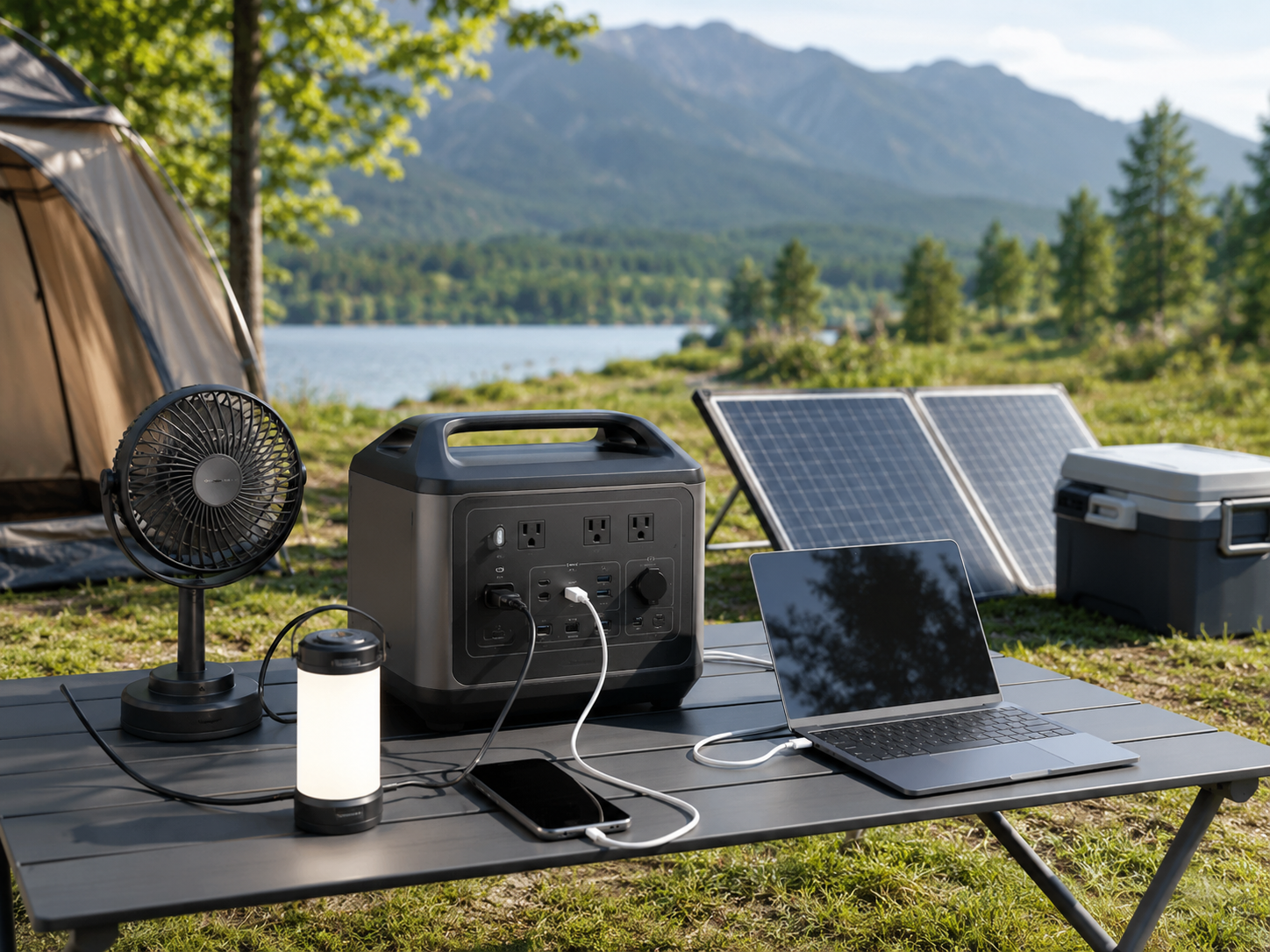
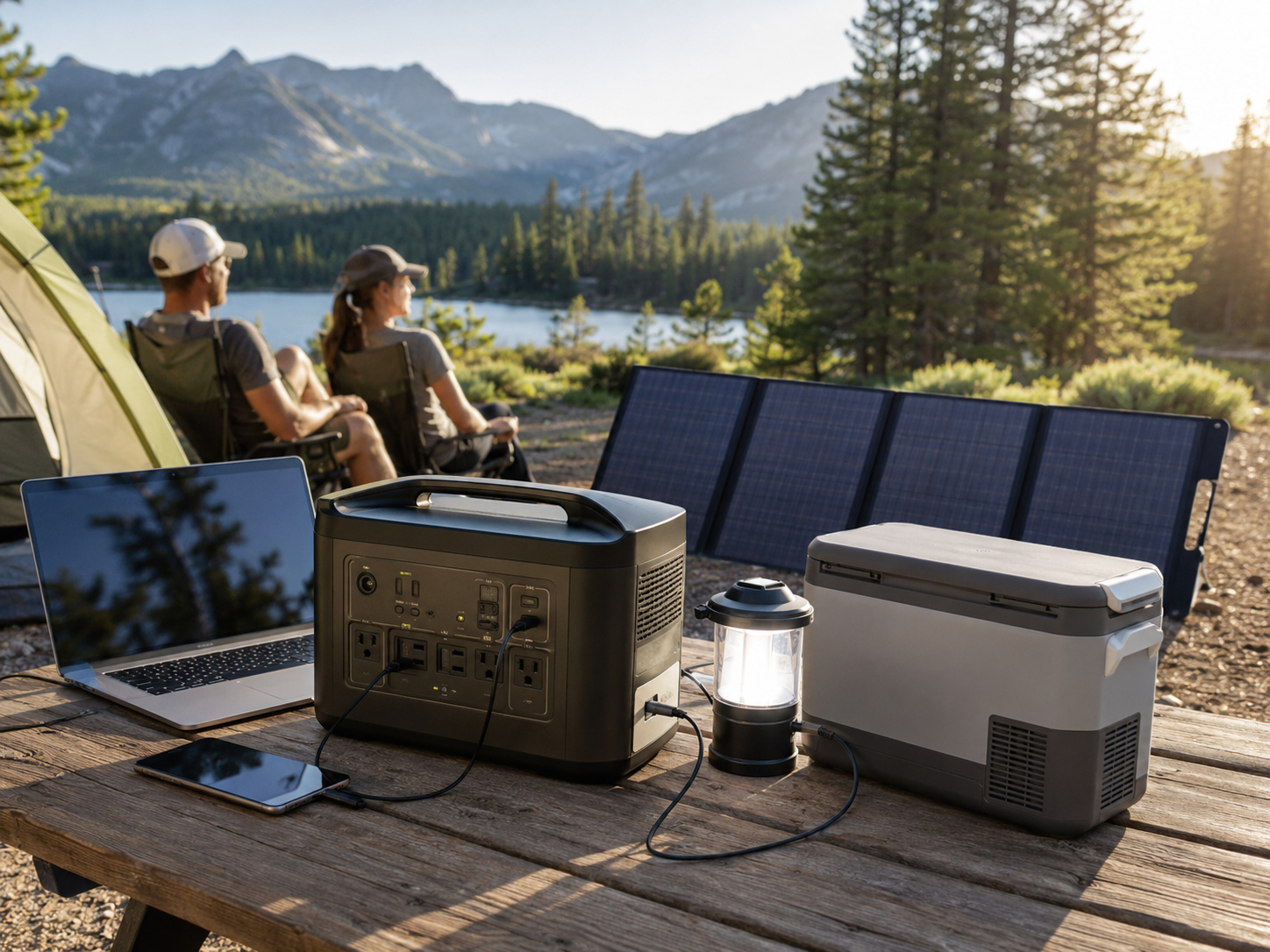
For camping, RV travel, mobile work, and temporary outdoor activities, a 1000W generator is best suited to essential low- and medium-power equipment.
Common outdoor power station applications include:
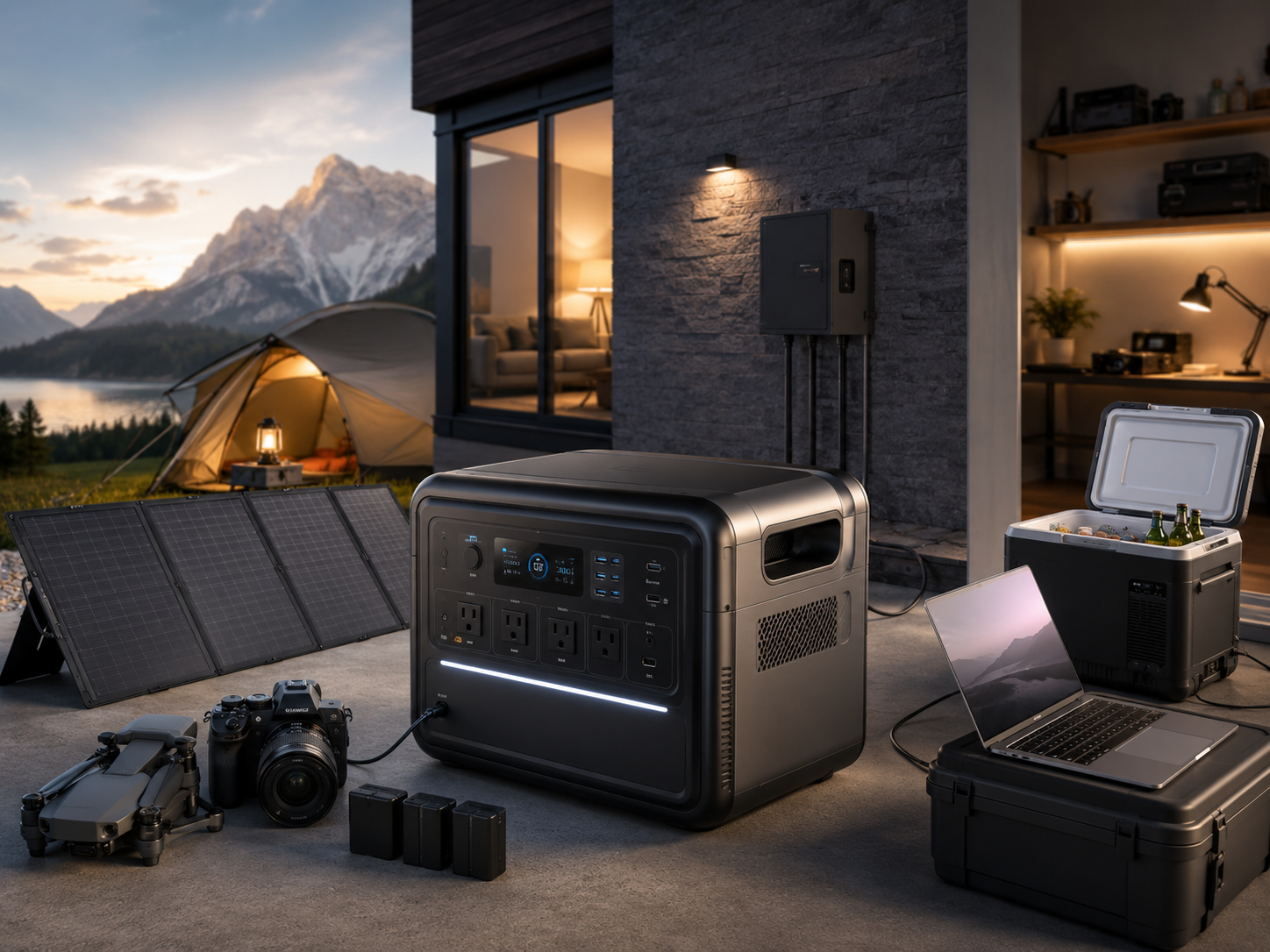
Charging phones, tablets, cameras, and drones
Operating laptops and communication equipment
Powering LED campsite lighting
Running portable fans
Supporting a mini refrigerator or portable cooler
Operating a projector or small television
Powering selected low-wattage cooking accessories
Charging compatible cordless tool batteries
The main advantage is convenient battery-based power without the noise, exhaust, and fuel handling associated with a conventional fuel generator.
However, buyers should not assume that every outdoor appliance is suitable. Electric grills, kettles, induction cookers, heaters, and large air conditioners frequently exceed the output limit or consume the available battery capacity very quickly.
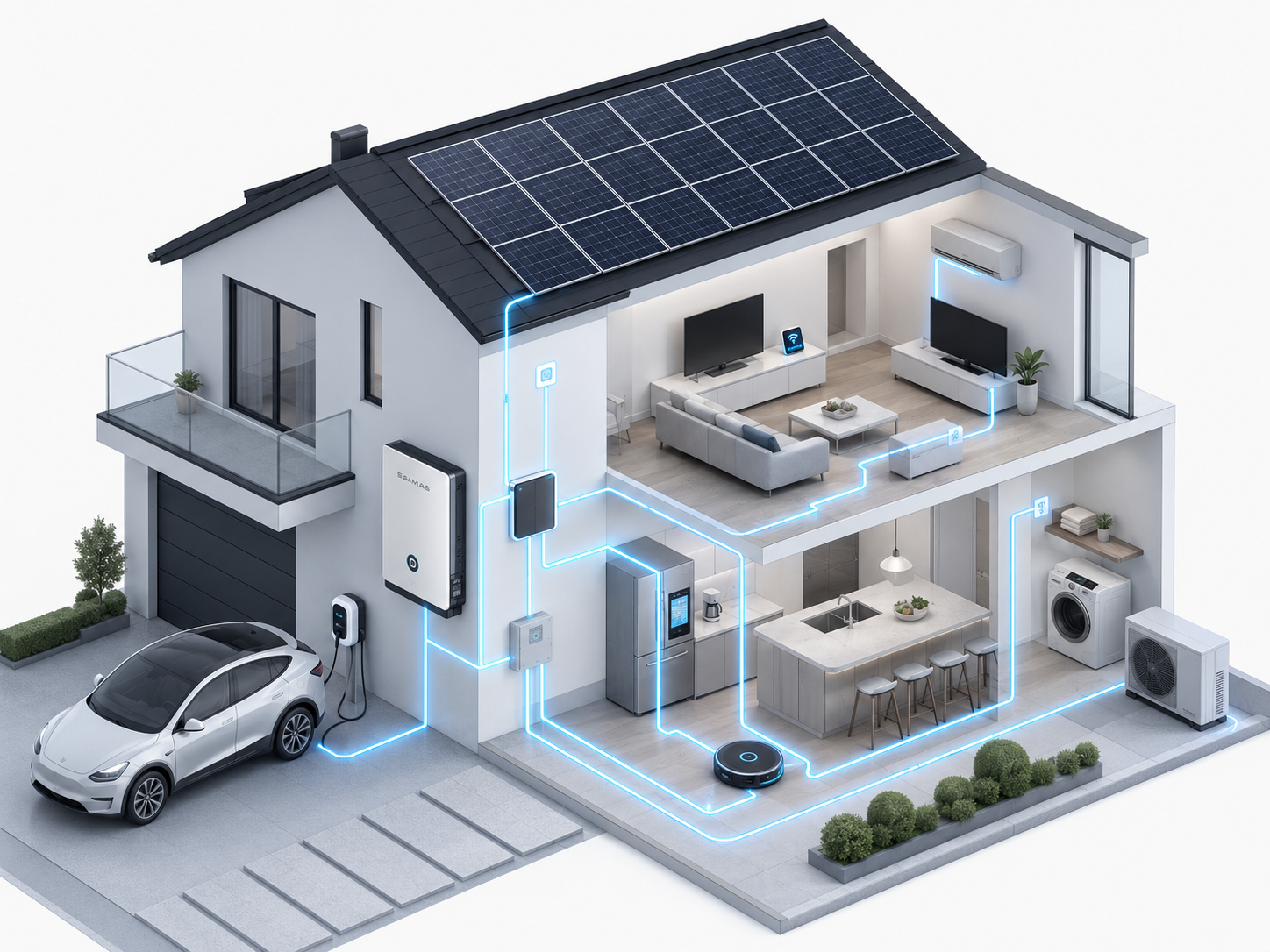
A portable power station for home use can provide short-term support for priority devices during a blackout.
Typical backup loads may include:
Wi-Fi router and communication equipment
Mobile phones and laptops
LED emergency lighting
CPAP machines and compatible medical equipment
Security cameras
Small televisions
Mini refrigerators or selected full-size refrigerators
A 1000W system should generally be treated as an essential-load solution rather than a complete whole-home backup system.
It is not normally suitable for simultaneously operating central air conditioning, electric water heating, electric ovens, large pumps, space heaters, and multiple kitchen appliances.
A 1000W generator may not be sufficient when the application involves:
Appliances with continuous power above the inverter rating
Equipment with a high startup surge
Several medium-power appliances running simultaneously
High-power heating or cooking equipment
Long backup periods without recharging
Large refrigerators, pumps, or workshop tools
Whole-home emergency power requirements
For applications requiring longer runtime or greater load flexibility, consider a higher-capacity option such as a 2048Wh portable power station.
The decision should not be based on wattage alone. Output power determines what the system can operate, while battery capacity determines how long it can operate.
Solar charging time depends on several factors:
Total solar panel wattage
Maximum solar input supported by the generator
Sunlight intensity
Weather conditions
Panel angle and orientation
Cable and conversion losses
Remaining battery capacity
For example, connecting a higher-wattage solar panel does not always produce faster charging if the generator has a lower maximum solar input.
A correctly matched solar panel and battery generator combination can extend power availability during camping, RV travel, remote work, and temporary off-grid applications. However, solar charging estimates should be based on realistic sunlight conditions rather than the panel’s laboratory-rated output alone.
For distributors, outdoor-equipment brands, emergency-supply companies, and mobile energy solution providers, product selection should cover more than the headline wattage.
Important purchasing factors include:
Continuous and peak AC output
Battery capacity and battery chemistry
Expected cycle life
AC and DC output configuration
USB-A and USB-C charging capability
Solar input range
AC charging speed
Local voltage and plug standards
Product weight and portability
Battery management and safety protection
Packaging and labeling options
Warranty and after-sales support
OEM, ODM, and bulk-order requirements
The appropriate configuration should be selected according to the target market and intended appliances. A camping customer, emergency-preparedness buyer, mobile vendor, and home backup user may all require different output ports, capacities, and accessories.
So, what will a 1000 watt solar generator run?
It can operate many essential low- and medium-power devices, including phones, laptops, routers, LED lights, fans, CPAP machines, televisions, cameras, and selected refrigerators. It may also support some coffee makers, blenders, and compact appliances for short periods, provided their operating and surge wattage remain within the generator’s limits.
A 1000W generator is best suited to camping, outdoor work, RV travel, mobile business operations, and short-term emergency backup. For high-power appliances, longer operating times, or several devices used simultaneously, a higher-output or higher-capacity power station may be more appropriate.
It can run many mini refrigerators and some full-size refrigerators if both the running wattage and compressor startup surge remain within the generator’s limits. Check the refrigerator nameplate and the generator’s peak output before use.
Some compact microwaves may operate for short periods, but many microwave ovens require more than 1000W of actual input power. Do not rely only on the advertised cooking wattage.
Runtime depends on battery capacity rather than the 1000W output rating alone. Divide usable battery capacity by the connected appliance wattage to estimate operating time.
Many small coffee makers use between 600W and 1000W and may operate for short periods. However, they place a relatively high load on the battery and can reduce the remaining runtime quickly.
Yes. It can support lighting, phones, laptops, cameras, fans, portable refrigeration, and selected campsite appliances, making it a practical outdoor portable power station.
Yes, provided their combined continuous wattage stays below the inverter rating and their simultaneous startup surge does not exceed the generator’s peak output.