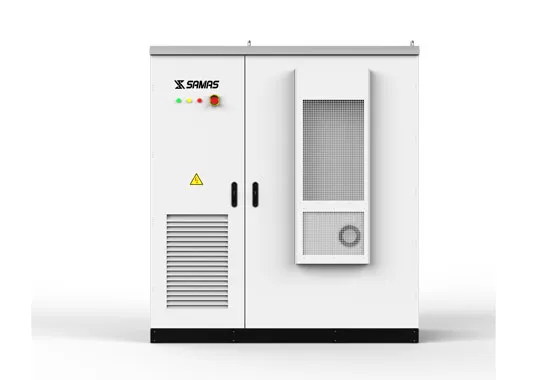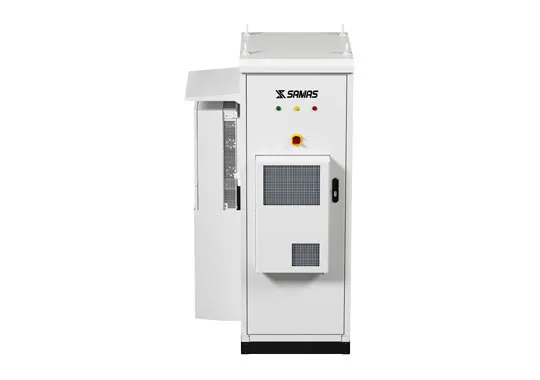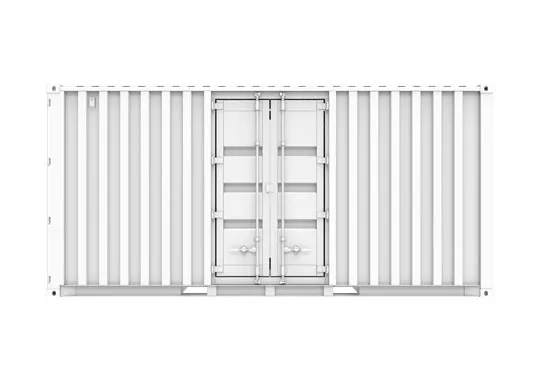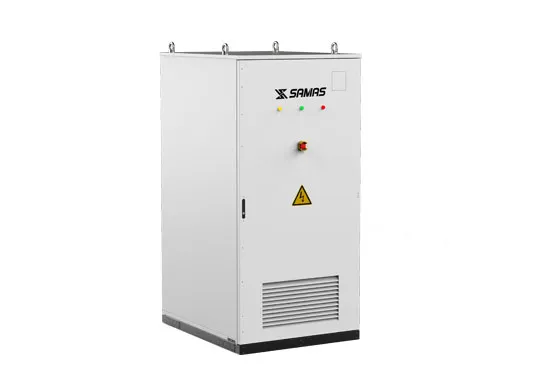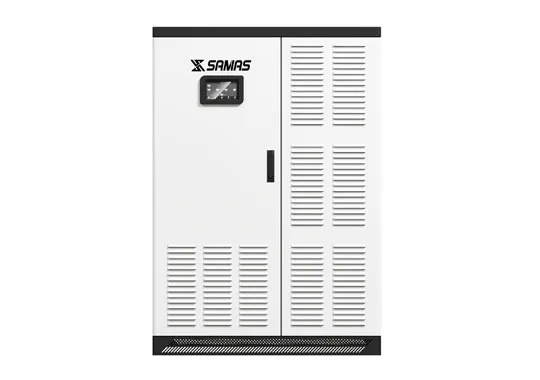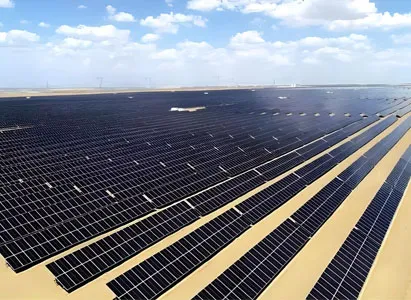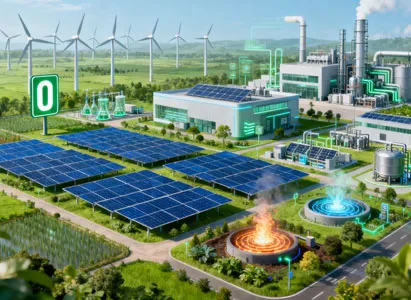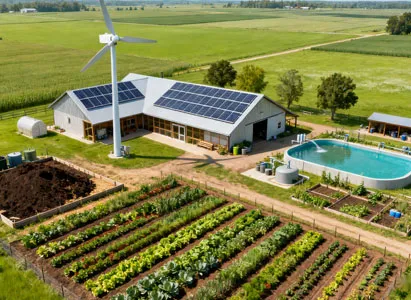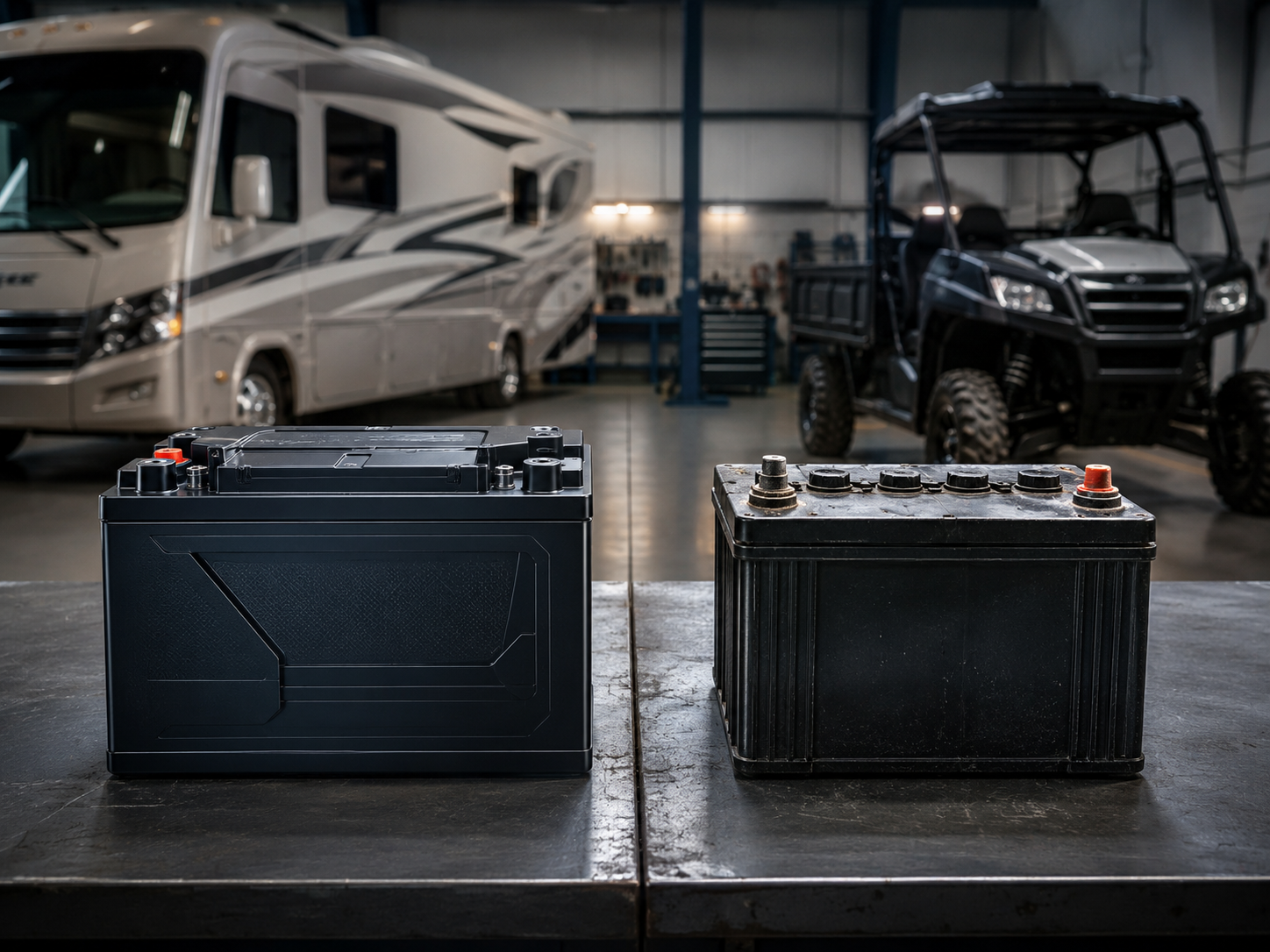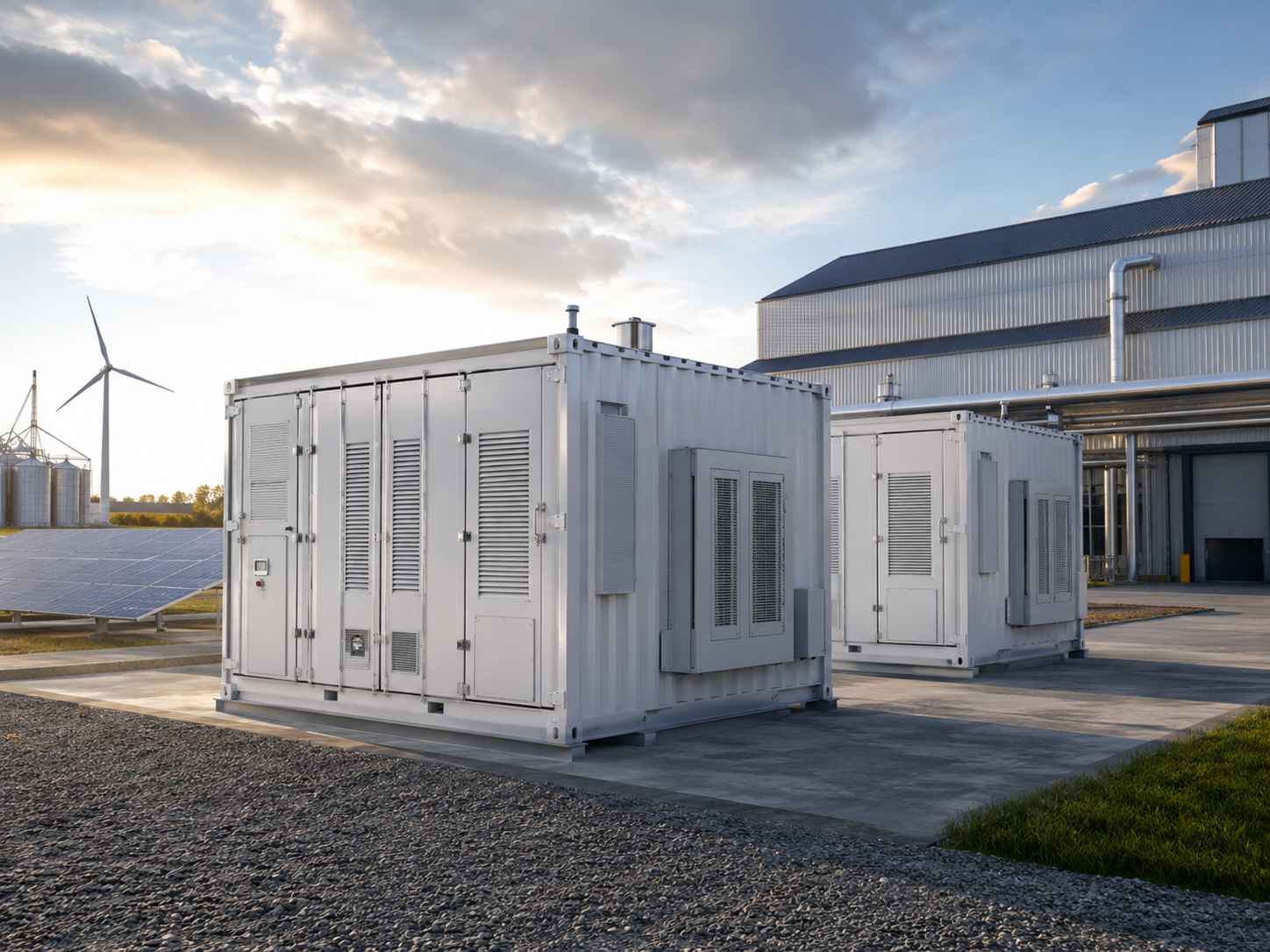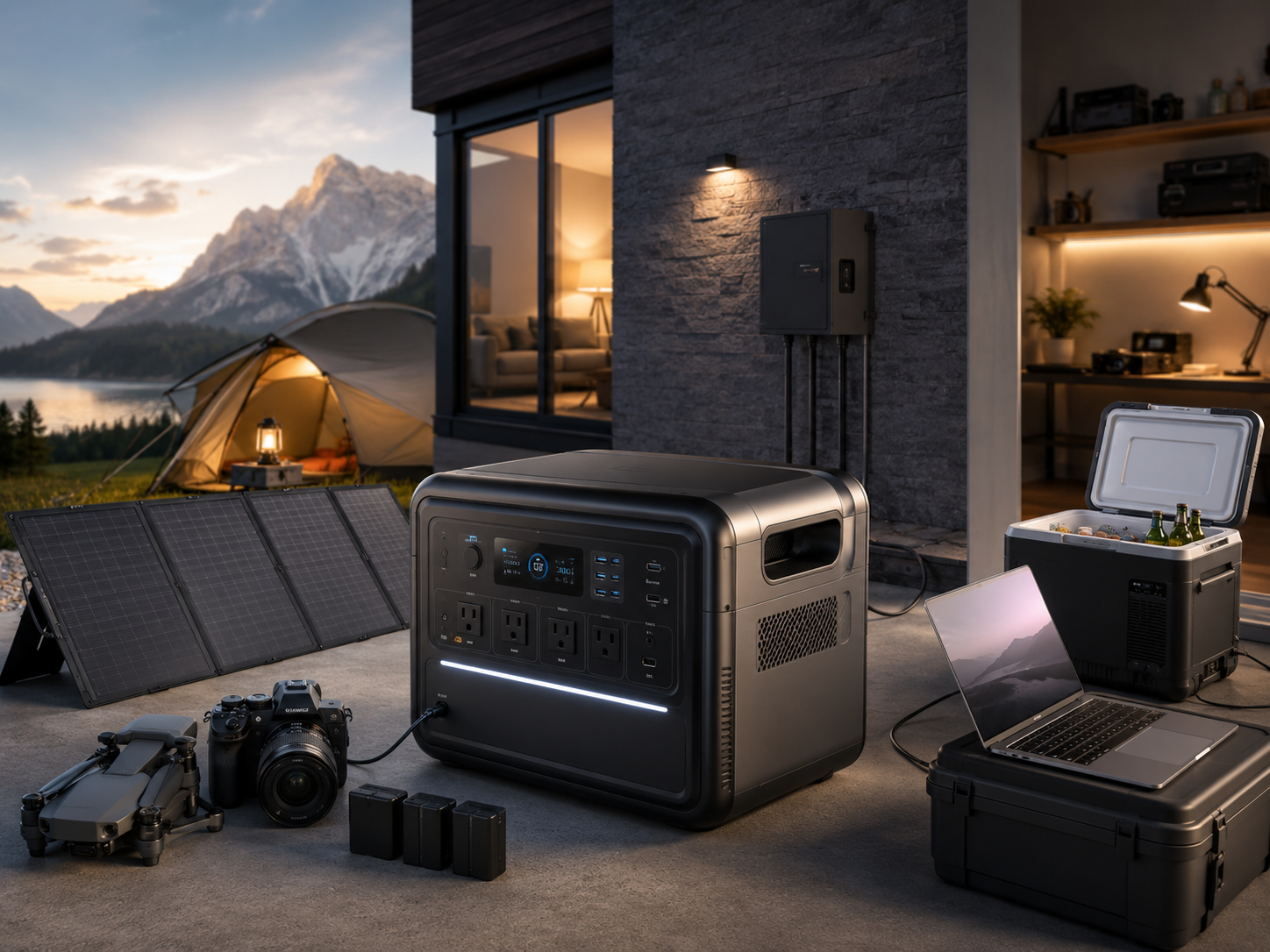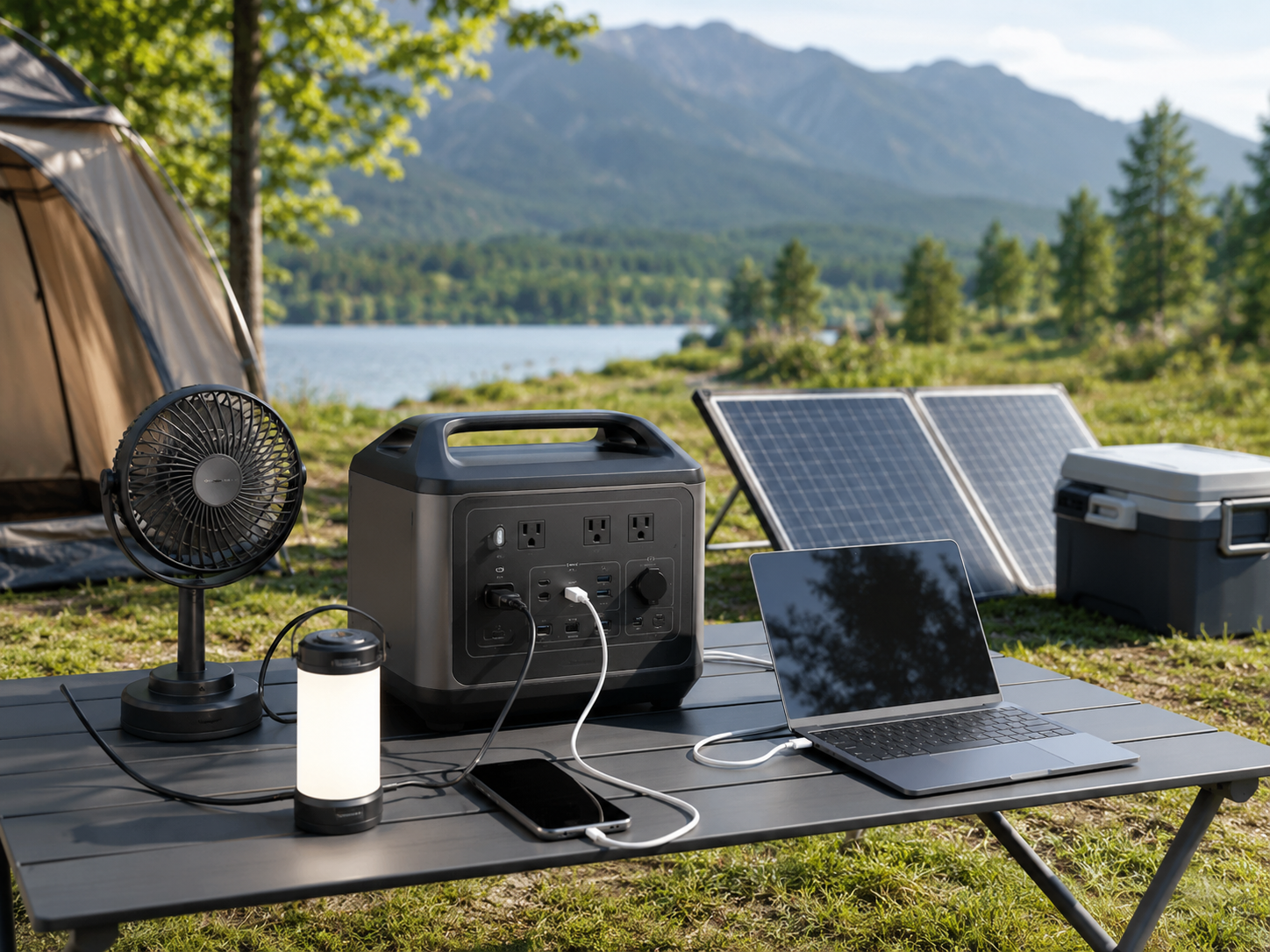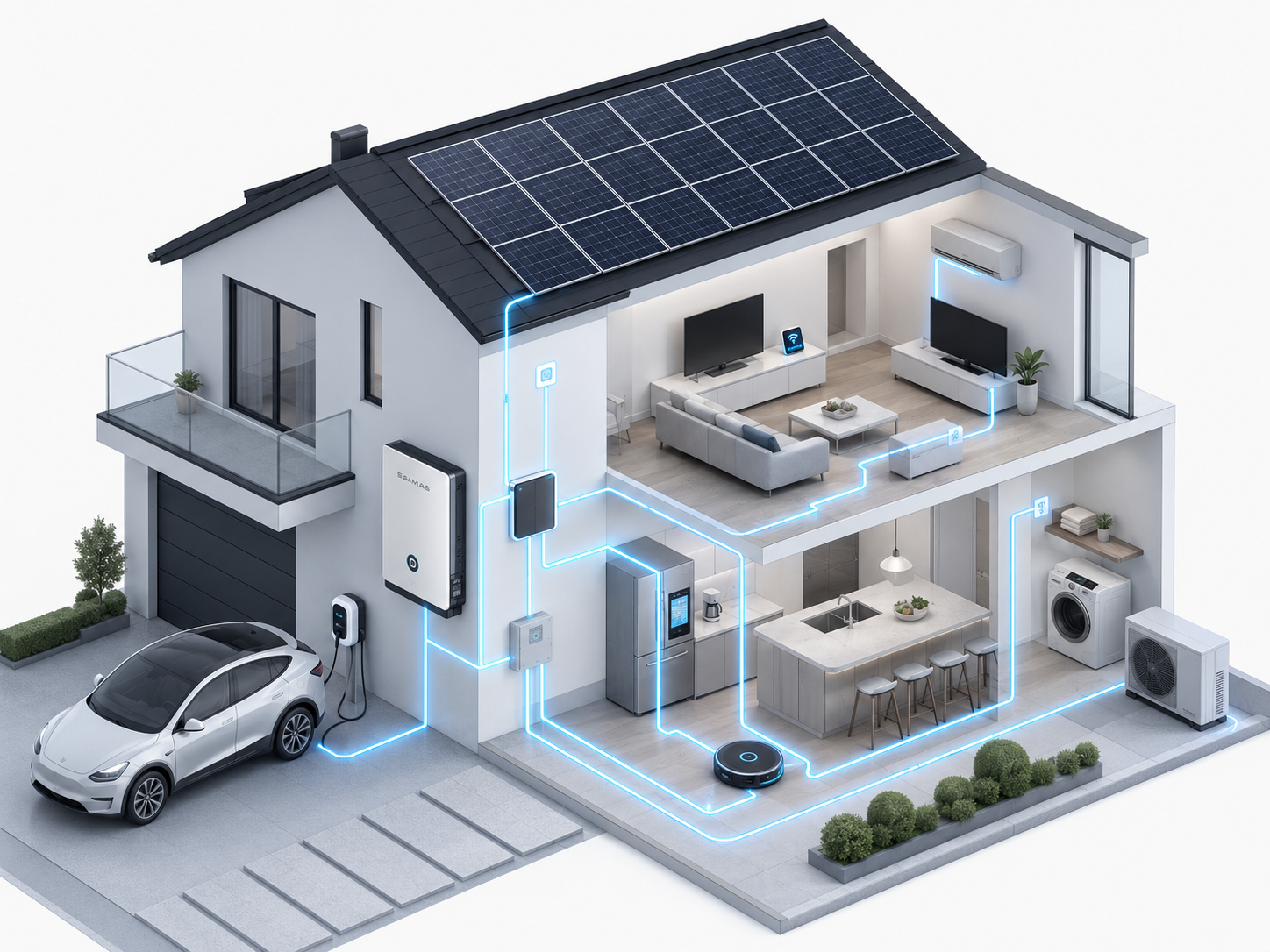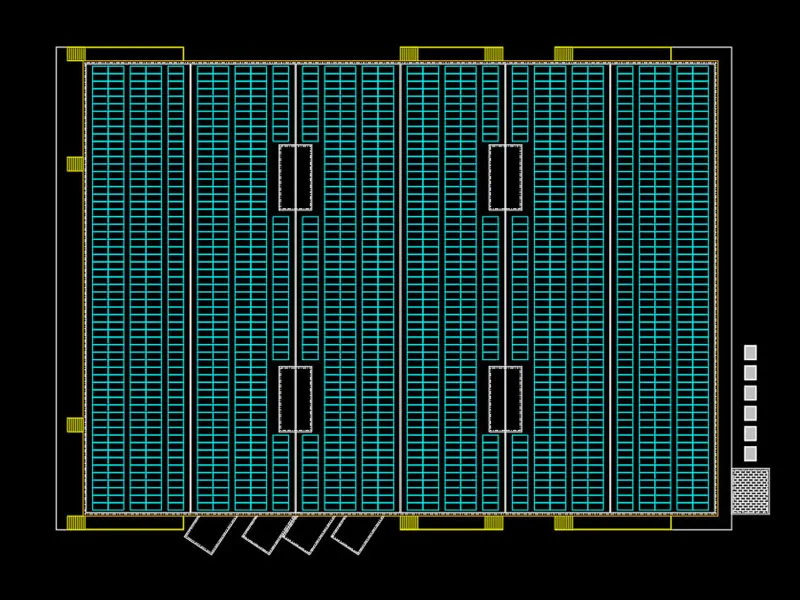
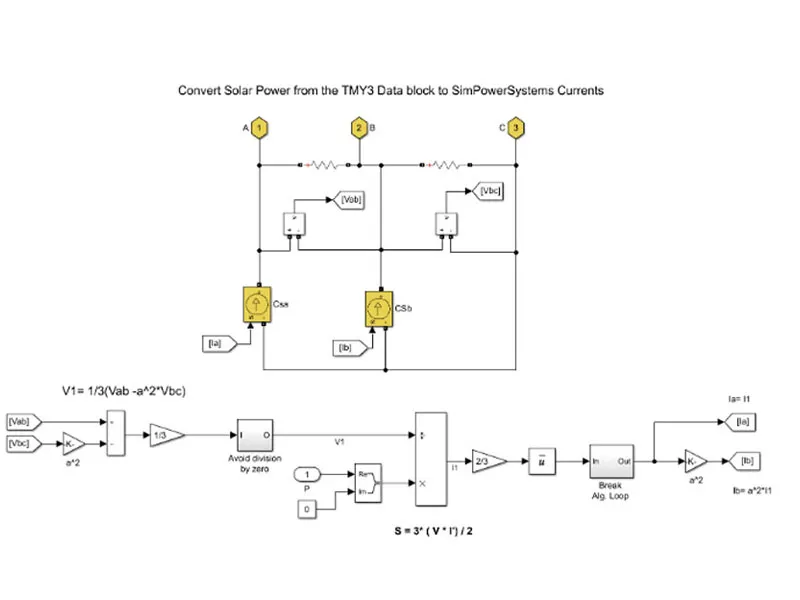
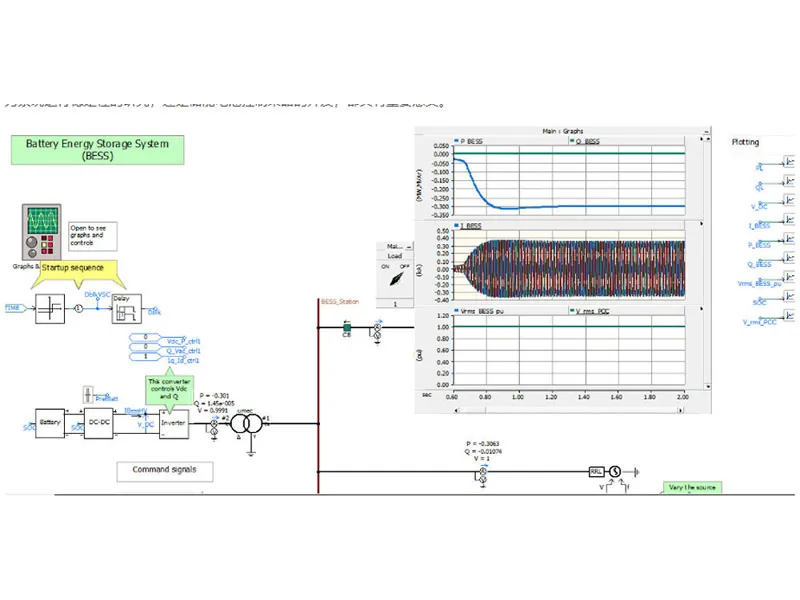
At SAMAS, Battery Energy Storage Systems (BESS) can be customized specifically for customers' specific needs, providing them with cost savings, enhanced energy independence, reliable backup power, and supporting sustainable development efforts.
Battery energy storage system design is the process of selecting and integrating batteries, PCS, BMS, EMS, thermal management, safety protection and communication control according to the project scenario. The goal is to make the system safe, reliable, scalable and suitable for real operating conditions.
| Step | Design Focus | Required Information |
| 1. Demand Analysis | Define project purpose | Backup power, peak shaving, PV storage, off-grid use |
| 2. Load Evaluation | Estimate power and energy demand | Load list, daily consumption, peak demand |
| 3. Capacity Configuration | Select battery capacity and PCS power | Runtime target, discharge depth, expansion plan |
| 4. System Integration | Match BMS, EMS, PCS and safety modules | Grid connection, communication protocol, site environment |
| 5. Operation Strategy | Optimize long-term use | Electricity price, PV output, backup priority, maintenance plan |
For home solar projects, the design focuses on self-consumption and backup power. For commercial and industrial sites, the system may focus on peak shaving, demand charge reduction and power reliability. For renewable energy projects, the design needs to consider solar or wind generation fluctuation, grid connection and dispatch strategy.
Project location and installation environment.
Daily electricity consumption and peak load.
Required backup duration.
Solar, wind or grid input conditions.
Expected system capacity and future expansion plan.
System Design and Engineering
Technical Specifications
Integration with Renewable Energy Sources
Compliance and Standards
Software and Control Systems