As the cost of electricity for businesses continues to rise, power supply reliability also becomes increasingly important. Battery storage is no longer a technology used only for large grid projects. Today, factories, farms, hotels, commercial buildings, logistics centers, and industrial parks are reducing operating costs, enhancing backup power capabilities, and utilizing renewable energy more efficiently through commercial energy storage.
For many businesses, an energy storage system is more than just a battery cabinet; it is an intelligent energy asset. It can help businesses control when electricity is stored, when it is used, and how different power sources work together. When a storage system is combined with a solar photovoltaic system, it can also convert unstable solar power generation into a more stable and controllable power supply.
For companies looking for scalable commercial energy storage systems, SAMAS offers commercial and industrial storage products designed for high-load commercial and industrial applications. These solutions can support peak shaving and valley filling, backup power supply, solar energy storage, and long-term zero-carbon operation strategies.
Commercial energy storage refers to battery storage systems designed for commercial and industrial environments to store electricity and release it when needed later. Unlike small household batteries, commercial and industrial storage systems typically need to support higher power, larger capacity, and more complex operating conditions.
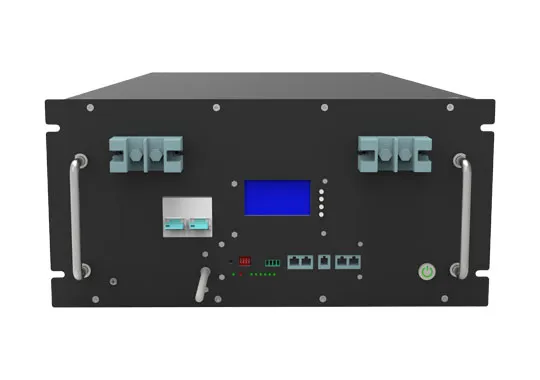
A typical system usually includes battery modules, a power conversion system, a battery management system, an energy management system, cooling equipment, electrical protection, monitoring functions, and safety protection systems. These components work together to complete charging, energy storage, and discharging according to on-site electricity needs.
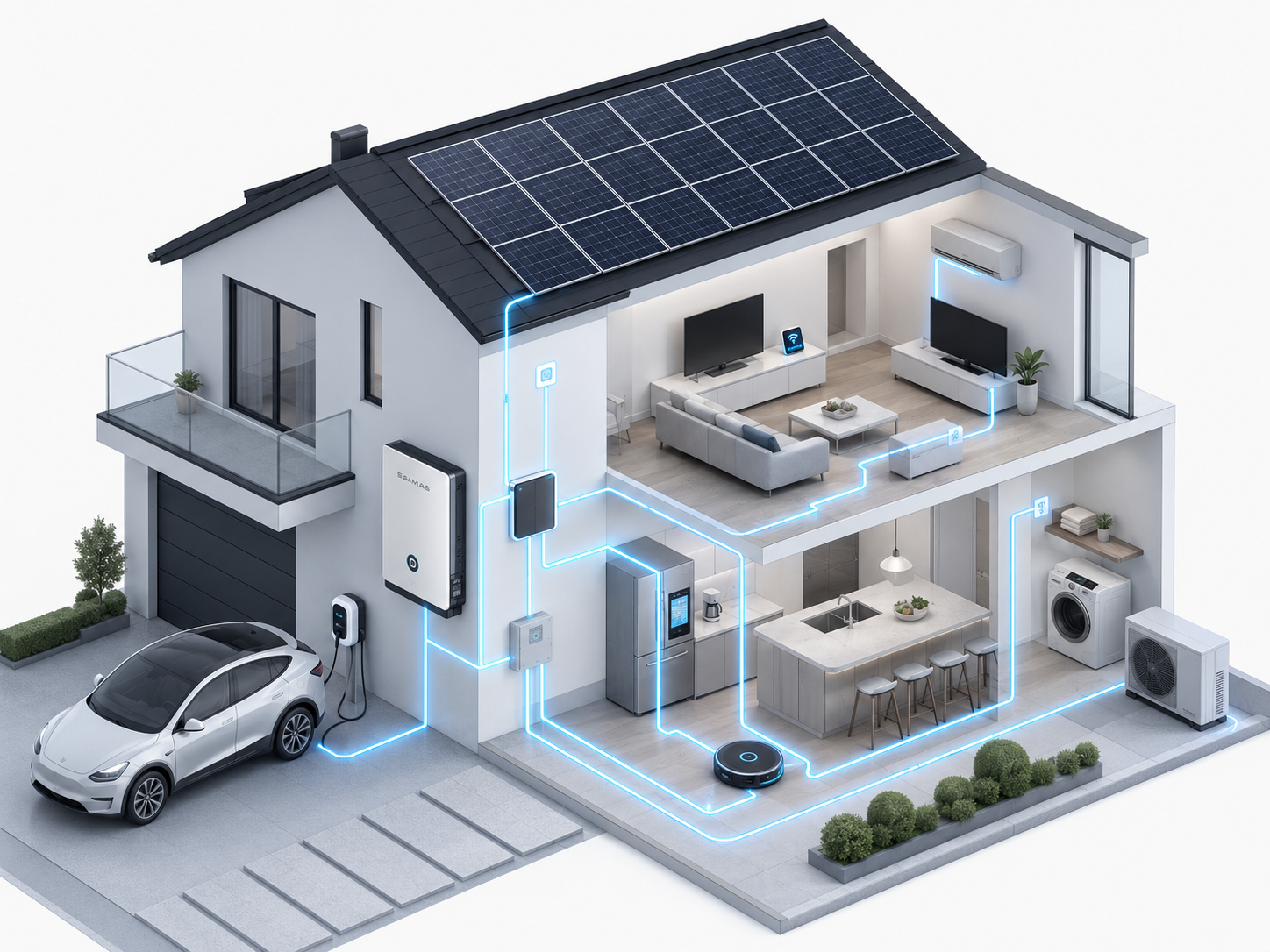
For example, businesses can charge the batteries during off-peak electricity pricing periods and release stored energy during peak pricing periods. Sites with installed solar photovoltaics can also store excess photovoltaic electricity generated during the day for use at night or during high-load periods. If the grid fails, the battery system can also support critical load operations, reducing the risk of operational interruptions.
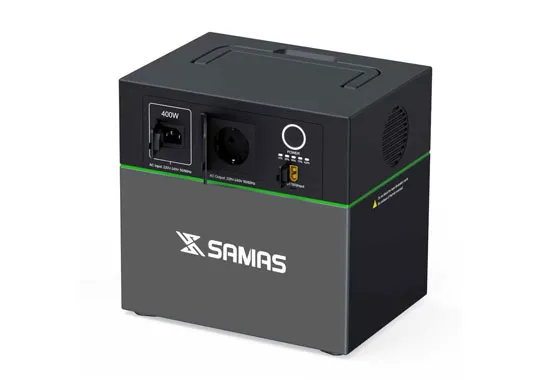
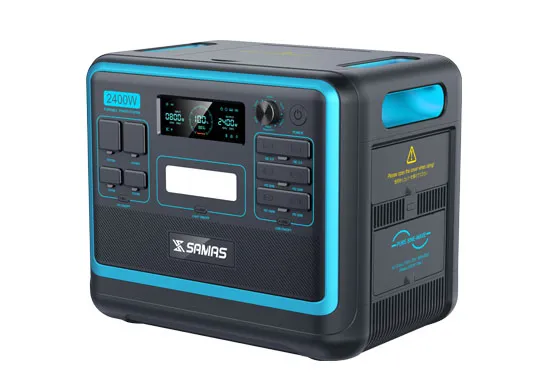
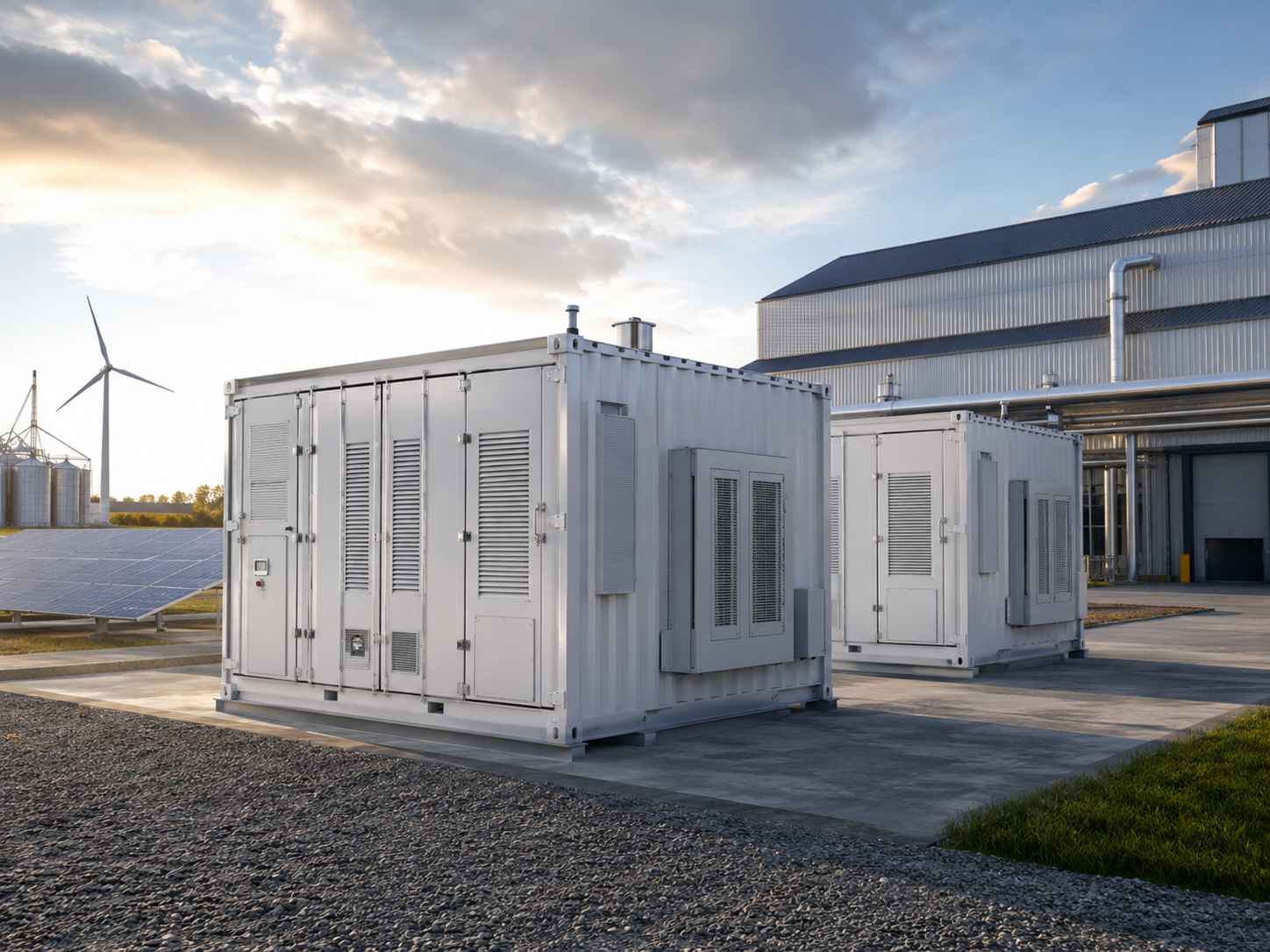
SAMAS offers a variety of commercial and industrial storage product forms, including integrated solar-storage machines, liquid-cooled containerized ESS, container storage systems, air-cooled outdoor battery cabinets, and air-cooled solar-storage systems. Businesses can choose the appropriate system based on installation space, capacity requirements, cooling methods, photovoltaic access needs, and future expansion plans.
One of the most common commercial applications of battery storage is peak shaving and valley filling. The electricity bill for many businesses depends not only on total electricity consumption but also on peak demand. When a site draws a large amount of electricity from the grid during a certain period, demand charges may increase significantly.
Battery storage systems can discharge during peak electricity usage periods, helping businesses reduce the instantaneous power drawn from the grid. This way, businesses do not need to rely entirely on grid power during peak loads, thereby lowering peak demand and creating a more stable and controllable energy cost structure.
This application is particularly suitable for factories, shopping malls, hotels, cold storage, and industrial production scenarios. For example, a production factory may experience high peak loads when multiple devices start simultaneously. Storage systems can help smooth the electricity usage curve and reduce the impact on grid infrastructure.
For business owners and facility managers, the value of peak shaving and valley filling is not only in saving electricity costs but also in enhancing energy planning capabilities, reducing grid dependence, and supporting more predictable long-term operational cost management.
Power outages can cause severe losses for commercial and industrial users. Even short-term outages may lead to production line stoppages, refrigeration system failures, hotel service interruptions, damage to sensitive equipment, or inability for communication and security systems to operate normally.
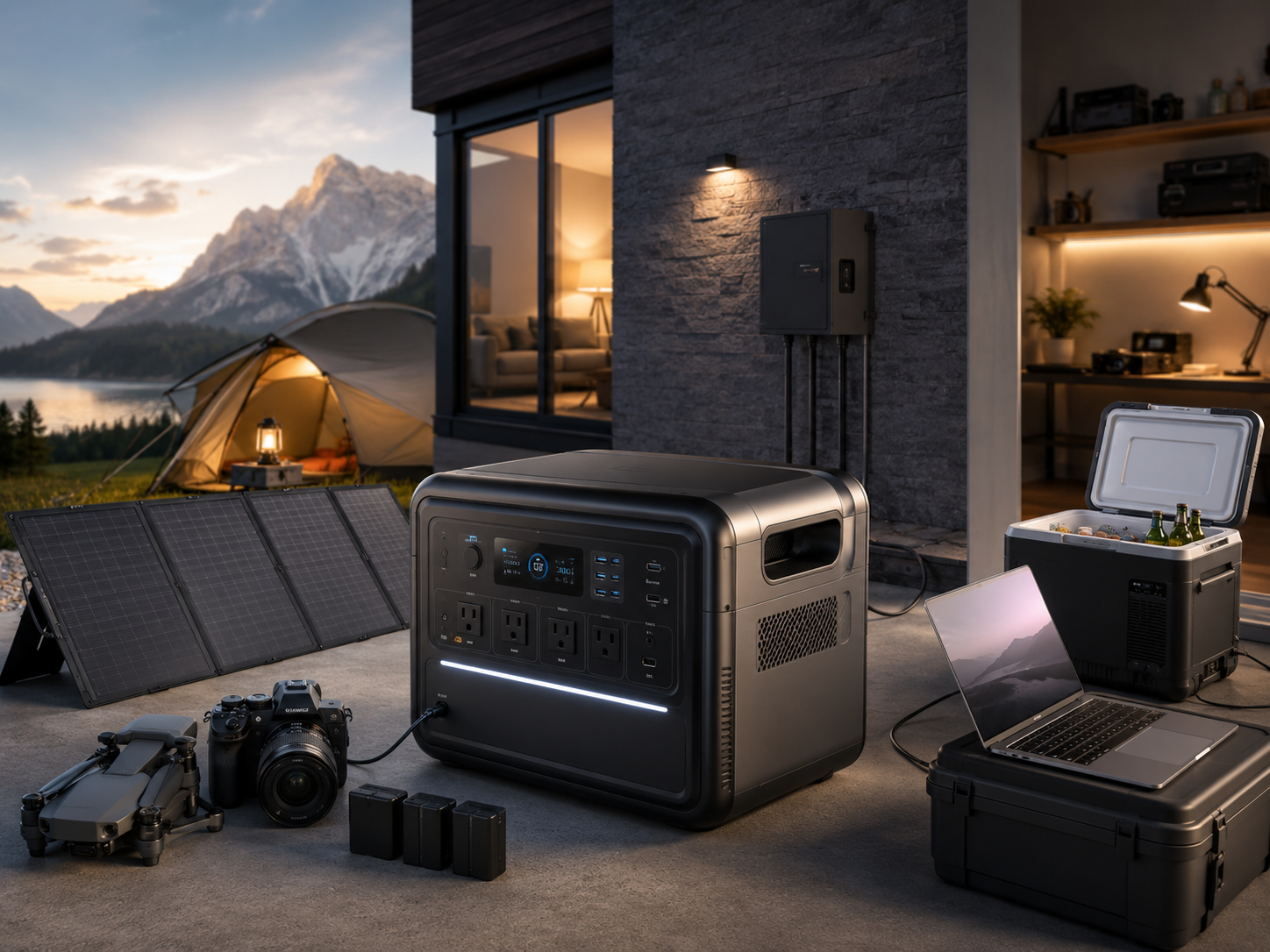
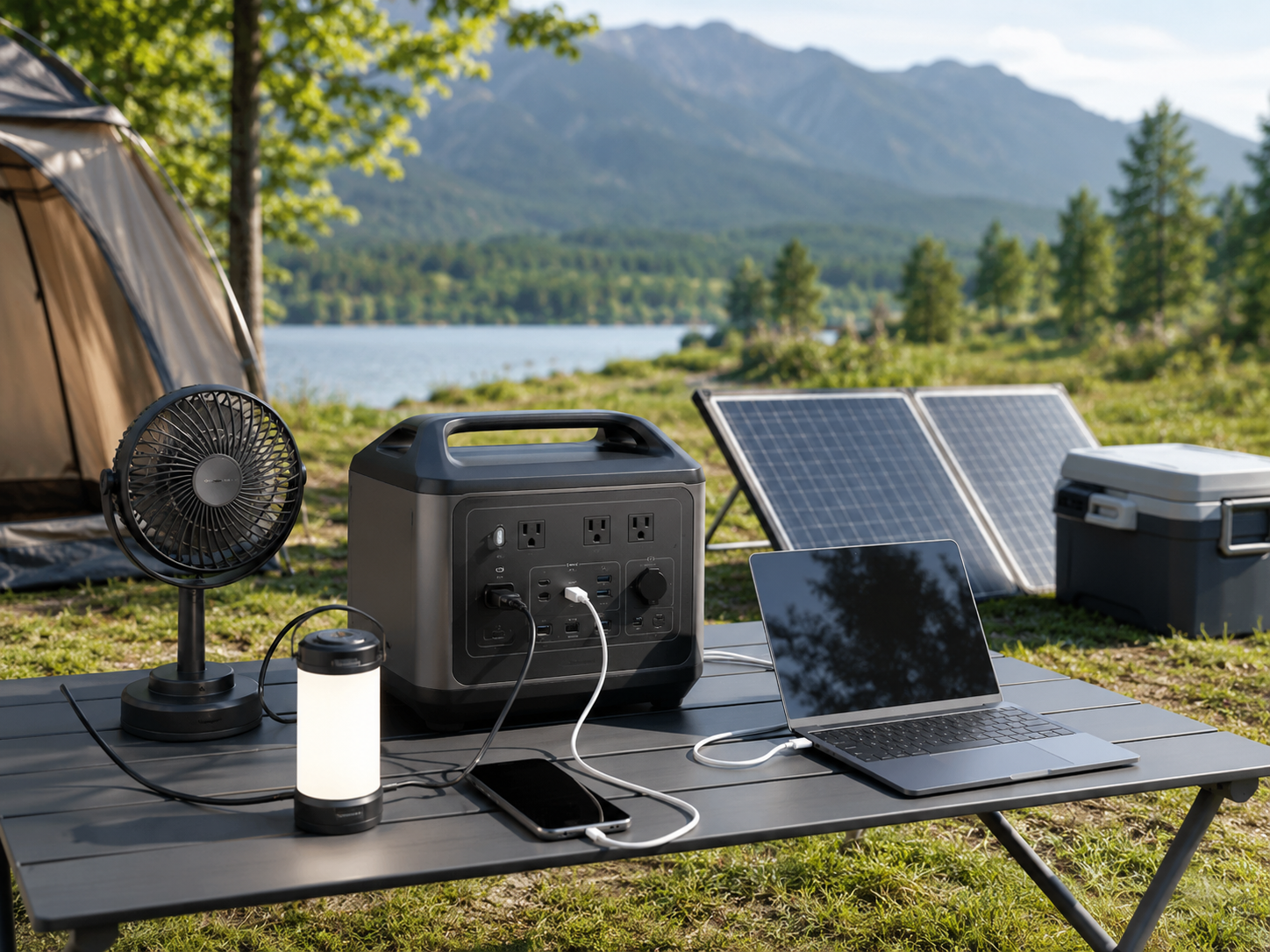
Battery storage can provide fast-response backup power for critical loads. Compared to traditional diesel generators, battery systems respond faster, operate more quietly, and are more aligned with clean energy and low-carbon operation goals. In some projects, battery storage can also work in conjunction with diesel generators or solar photovoltaic systems to create a more resilient hybrid power structure.
For industrial factories, backup power can help protect production continuity. For hotels and commercial buildings, it can support elevators, lighting, HVAC control, security systems, and customer service areas. For farms and agricultural processing facilities, storage systems can help maintain irrigation, refrigeration, sorting, and processing equipment operations.
A suitable commercial battery system should not only be selected based on capacity but also match the on-site critical load list, backup duration needs, grid conditions, and safety standards. This is also why the supplier's engineering support capability is very important.
Solar power is a valuable energy resource for businesses, but photovoltaic generation times do not always perfectly match actual electricity needs. Many sites may generate more solar power during the day than immediate consumption demands, yet businesses still have high electricity needs in the evening, early morning, or during peak pricing periods.
Commercial solar power battery storage can help solve this supply-demand mismatch problem. Battery systems can store excess solar power and release it when the business needs it most. This helps increase photovoltaic self-use rates, reduce renewable energy waste, and enhance the value of commercial photovoltaic investments.
In some commercial application scenarios, businesses may also search for commercial solar power generators to support on-site power supply. However, for larger-scale commercial and industrial projects, solar generation usually needs to be combined with appropriately sized battery storage systems and intelligent energy management systems to achieve higher value. This combination allows businesses to use solar energy more stably, rather than relying solely on real-time sunlight conditions.
SAMAS commercial and industrial storage products support photovoltaic integration applications. Based on project needs, businesses can choose compact integrated solar-storage systems or higher-capacity containerized storage solutions. These systems are suitable for factories, farms, commercial buildings, industrial parks, and other scenarios looking to increase the proportion of renewable energy use.
Different industries use commercial solar battery storage systems in different ways. The best system design depends on each site's operating model, load characteristics, electricity cost structure, and sustainability goals.
For factories, battery storage can help reduce peak electricity demand, stabilize production operations, support backup power, and integrate solar generation into daily operations. This is especially valuable for continuous production lines or manufacturing companies that cannot afford frequent power outages.
For farms and agricultural processing scenarios, storage systems can support irrigation pumps, refrigeration equipment, drying equipment, processing lines, and power needs in remote areas. When combined with solar photovoltaics, storage can reduce dependence on diesel generators and enhance energy autonomy in rural or grid-weak areas.
For hotels, resorts, and commercial buildings, battery storage can help manage the high electricity demand brought by lighting, air conditioning, elevators, kitchens, and customer service systems. During power outages, the system can also support essential services, enhancing customer experience.
For industrial parks, storage can be part of a broader energy management strategy. Multiple buildings, production areas, and renewable energy assets can be coordinated through intelligent storage and control systems. Therefore, storage is also an important infrastructure for zero-carbon industrial parks and low-carbon commercial operations.
Before selecting a commercial and industrial storage system, businesses should first assess their real electricity usage. Key factors include daily load curves, peak demand, electricity price structure, photovoltaic capacity, backup power needs, installation space, grid conditions, and future expansion plans.
Capacity is one of the first factors to determine. Medium- and small-sized commercial sites may be more suitable for cabinet or integrated systems because they are compact and easier to deploy. Large factories or industrial parks may require higher-capacity, more expandable containerized storage systems.
Cooling methods are also very important. Air-cooled systems are suitable for many standard commercial and industrial applications, while liquid-cooled systems are better suited for high-density storage and more demanding operating conditions. Additionally, safety design, fire protection, BMS performance, EMS control, and monitoring functions also need to be considered.
Businesses should also think beyond "just looking at the battery." Excellent solutions should match the project's business goals, not just meet electrical parameters. For example, a factory with peak shaving and valley filling as a core goal may need a different system than a farm focused on increasing photovoltaic self-use rate, or a hotel focused on backup power.
As an intelligent energy service provider, SAMAS offers a variety of product choices and system solution capabilities for commercial and industrial storage projects. Its storage product portfolio can help customers choose the most suitable system based on capacity, application scenarios, installation environment, and long-term energy strategy.
Battery storage is becoming a practical and strategically valuable energy tool for modern businesses. From peak shaving, backup power, to photovoltaic integration and zero-carbon operation, commercial energy storage can help businesses reduce costs, enhance power supply reliability, and gain stronger electricity control capabilities.
For businesses investing in solar photovoltaics, commercial solar power battery storage can increase the utilization of renewable energy, allowing solar power to play a role during more periods of the day. For factories, farms, hotels, and industrial parks, commercial solar battery storage systems can support more resilient, efficient, and sustainable operating models.
The right storage system should be chosen based on the project's real needs, including load requirements, site space, photovoltaic capacity, backup duration, safety requirements, and expansion plans. With the right solution, storage is no longer just electrical equipment but can become an energy advantage for the long-term development of a business.
If your company is planning a commercial or industrial battery storage project, please contact us to further discuss application scenarios, system capacity design, and customized storage solutions.