As more families install solar panels and seek better control over electricity costs, energy storage is becoming a crucial component of modern home power systems. Solar panels can generate clean electricity during the day, but most households do not consume all this energy at the time it's generated. Without battery storage, excess solar energy may be sent back to the grid, and households still need to purchase electricity from the grid at night or during peak pricing periods.
This is exactly why home battery storage solutions are becoming increasingly important. By storing excess solar electricity, households can use it when needed later, thereby increasing solar self-consumption, reducing reliance on the grid, and maintaining the operation of critical appliances during power outages.
For users planning to upgrade their home energy systems, SAMAS offers solar and battery storage systems for home applications that support daily electricity use, backup power, off-grid security, and a sustainable lifestyle. Whether you need an all-in-one solar battery system or a scalable modular battery storage solution, the right system can help make solar energy a more reliable home power source.
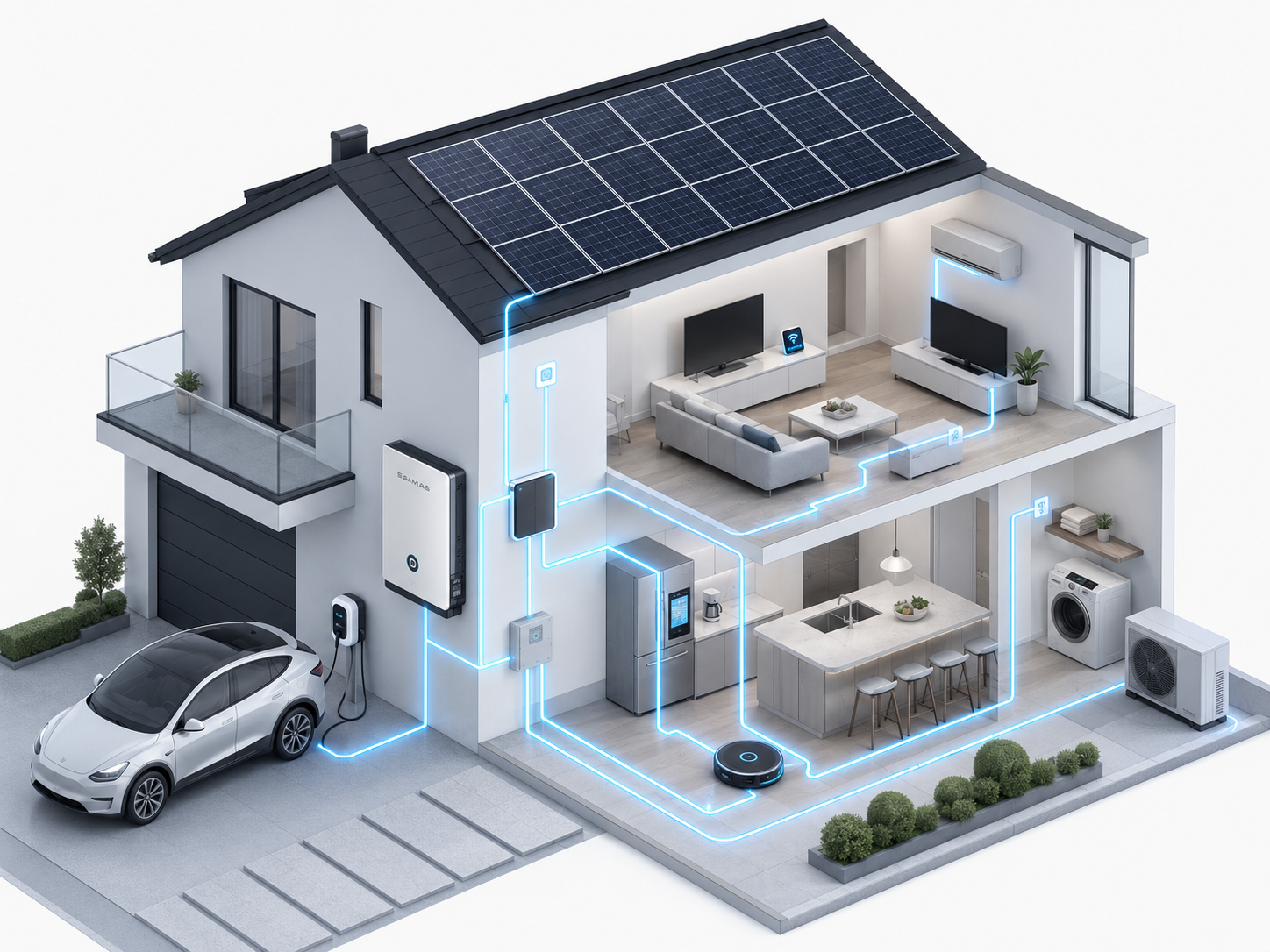
Home battery storage solutions refer to battery storage systems designed for residential users to store household electricity. Typically, in a home energy system, solar panels generate electricity during the day, which can be used directly by appliances, stored in batteries, or fed back to the grid according to system design and local electricity policies.
A home battery system usually includes battery modules, an inverter, a battery management system, intelligent control features, and safety protection systems. The inverter is responsible for converting between direct current (DC) and alternating current (AC), while the battery management system monitors battery performance, charge status, temperature, and safe operating conditions.
For household users, the core value of battery storage lies in enhancing electricity use flexibility. Solar energy is no longer limited to being used only when the sun is shining; unused solar energy can be stored in batteries for use in the evening, at night, or during power outages. This makes the entire solar system more practical and valuable as an investment.
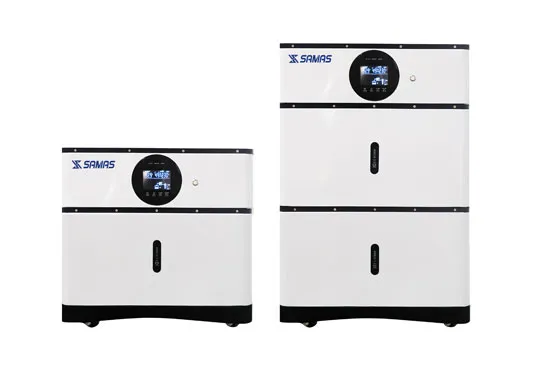
SAMAS offers two main residential storage solutions: All-in-One Home Solar Battery Systems and Battery Storage for Home. Integrated systems combine key components such as batteries, inverters, and intelligent control into a compact device, suitable for users who prefer simpler installation and a tidier system layout. Modular home batteries are better suited for those needing flexible expansion or already having existing solar systems.
Solar energy is a clean and renewable resource, but the timing of solar power generation does not always align with household energy demand. Many households use more electricity in the morning and evening, while solar panels typically generate the most power around midday. Without battery storage, this mismatch between generation and consumption times can reduce the actual value of the solar system.
Solar power storage for home can address this issue by storing excess solar electricity generated during the day and using it when the household needs it most. After sunset, households can use stored solar electricity to power lighting, cooking, refrigerators, entertainment devices, internet routers, home office equipment, and other important loads, instead of relying entirely on the grid.
This is particularly valuable in regions with time-of-use pricing. If electricity prices are higher during evening peak hours, battery storage systems can reduce grid electricity purchases during this time. In the long run, this helps households establish a more stable and predictable electricity cost structure.
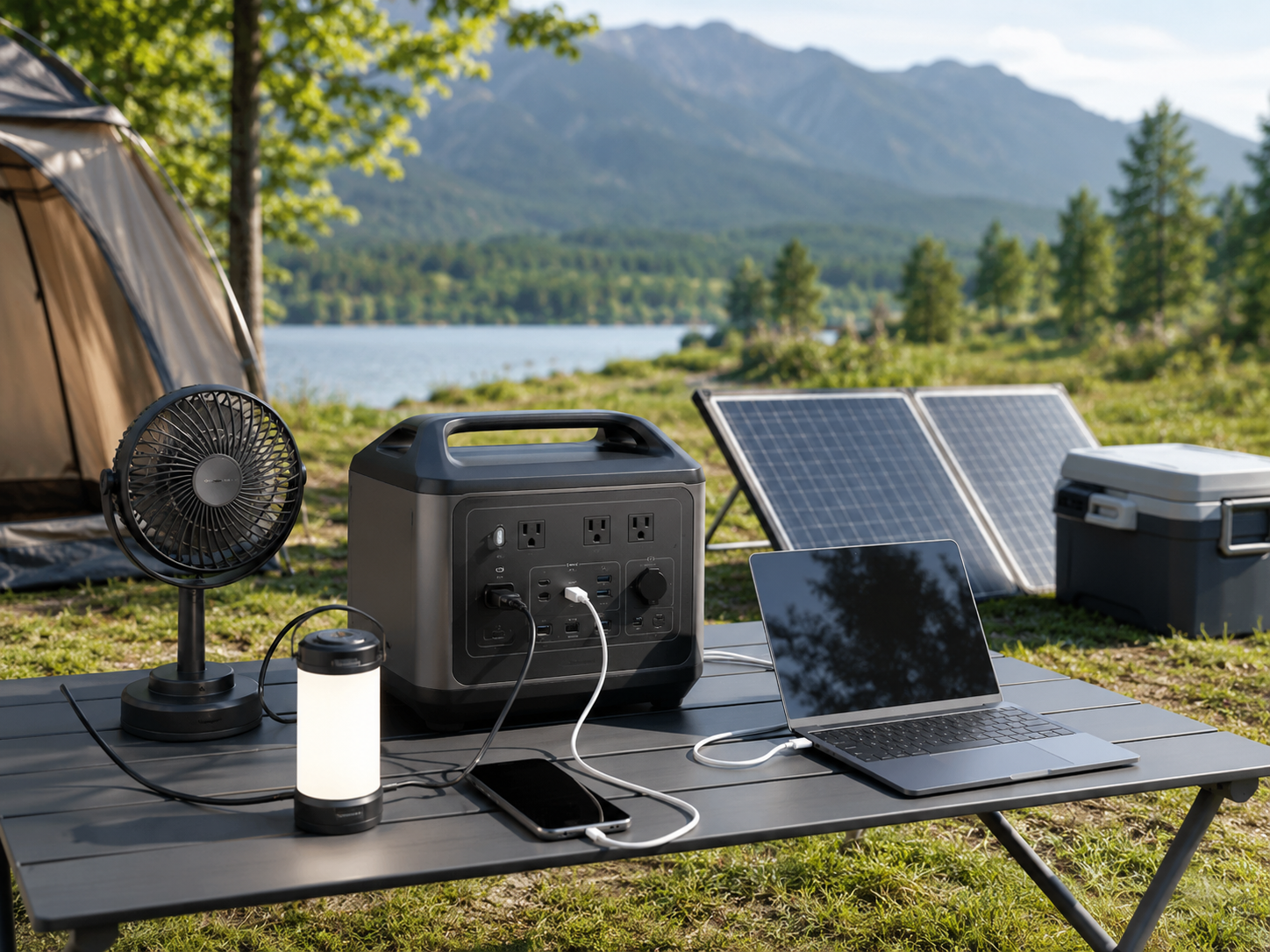
For rural homes or families in areas with unstable grids, solar storage can also enhance energy security. A well-designed home battery system can support the operation of critical appliances during grid outages and reduce reliance on backup generators. For environmentally conscious families, storing solar energy can also increase the proportion of clean energy used within the home.
The value of home solar power storage is not just about "storing unused solar energy." A well-designed system can improve daily electricity efficiency, enhance emergency capabilities, and help households achieve longer-term energy independence.
The first core value is increasing solar self-consumption. Without storage, households may not fully utilize all the solar energy generated during the day. With batteries, excess electricity can be saved for later household use, reducing waste and improving solar investment returns.
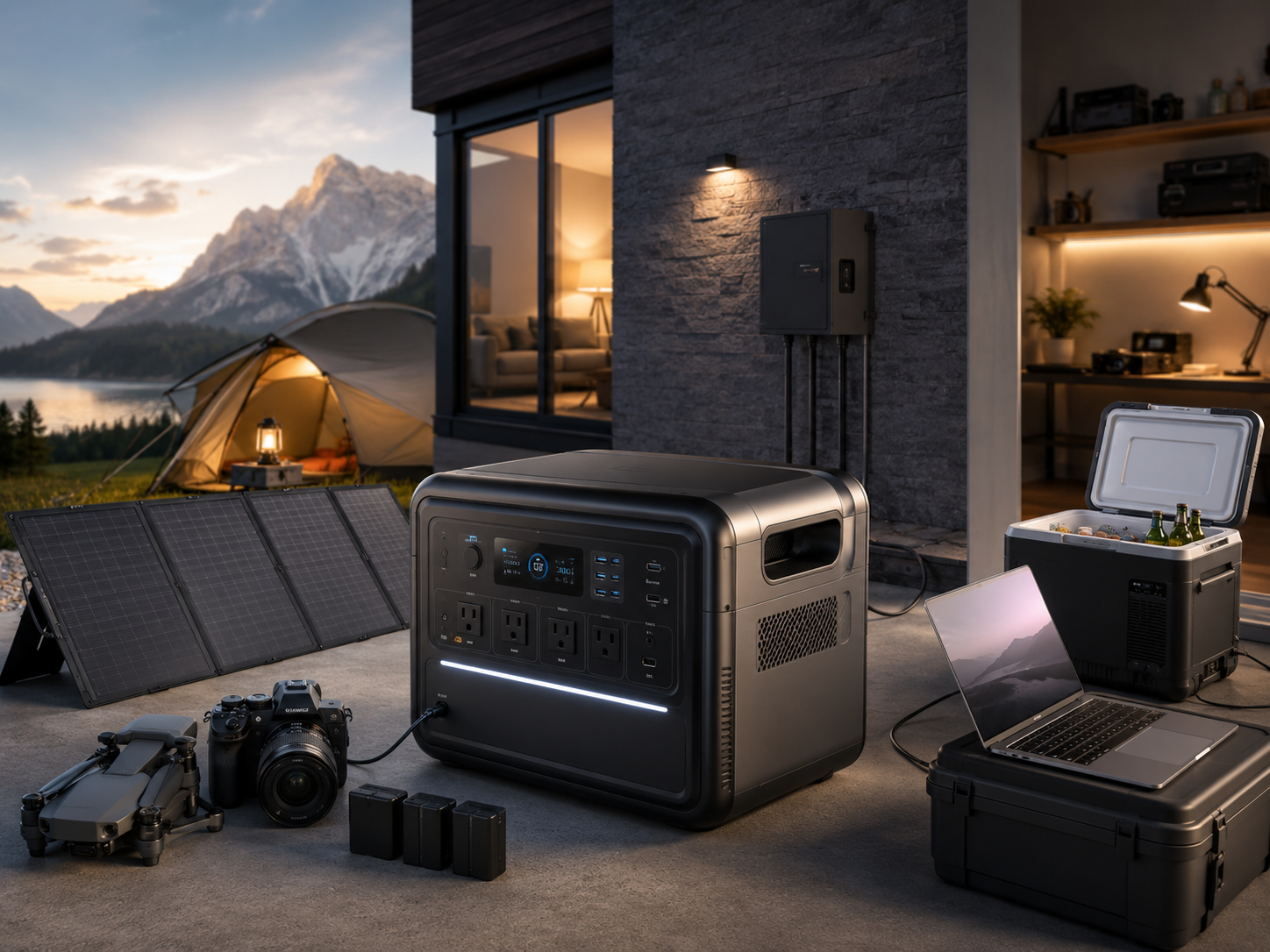
The second core value is backup power. During grid outages, home battery storage systems can maintain the operation of critical loads. Depending on system capacity and backup power configuration, households can continue using lighting, refrigerators, Wi-Fi routers, medical devices, security systems, and select appliances. This is particularly important for families affected by storms, weak grids, or frequent power outages.
The third core value is reducing grid reliance. Although most households will remain grid-connected, battery systems can reduce the amount of electricity purchased from the public grid. This allows users to more proactively control daily electricity use and, to some extent, mitigate the impact of electricity price fluctuations.
The fourth core value is supporting electric vehicle charging. For families with EVs, solar battery storage can store solar electricity generated during the day and use it for EV charging in the evening or at night. This helps households better utilize their solar investments while supporting cleaner travel options.
When choosing a home battery energy storage system, household users typically need to decide between integrated systems and modular battery storage systems. Both can effectively enhance home energy management capabilities, but they suit different needs.
Integrated home solar battery systems combine multiple core components into a single compact device, typically including batteries, inverters, intelligent control, and protection features. These systems are suitable for families who prefer a neater appearance, simplified installation, and more convenient system management. For new solar projects or users wishing to complete a home storage upgrade in one go, integrated systems are usually the more appropriate choice.
Modular battery storage systems, on the other hand, focus more on flexibility. Users can start with a certain storage capacity and expand as electricity demand grows in the future. This is suitable for families planning to add more solar panels, install EV chargers, extend backup power time, or gradually upgrade from basic storage to larger-scale home energy systems.
For example, small households may only need to meet basic nighttime electricity and backup power needs; high-consumption households with air conditioning, large appliances, home office equipment, and EV charging needs may require larger capacity systems. Rural homes or off-grid families may need stronger storage capacity and backup power capabilities.
SAMAS home solar and battery systems can support different residential needs, including compact installation, expandable storage, backup power, and optimized solar utilization, helping users choose the right system based on current electricity habits while leaving room for future growth.
Before choosing a home battery system, users need to understand their actual electricity needs. Key factors include daily electricity consumption, solar panel capacity, nighttime electricity usage, power outage frequency, backup power needs, installation space, and future expansion plans.
Battery capacity is one of the first factors to consider. Smaller capacity batteries may suffice for basic nighttime electricity needs, while larger capacity systems are better suited for backup power, high-consumption appliances, or EV charging needs. Users also need to clarify which appliances they wish to keep running during power outages, as whole-house backup and critical load backup require different system designs.
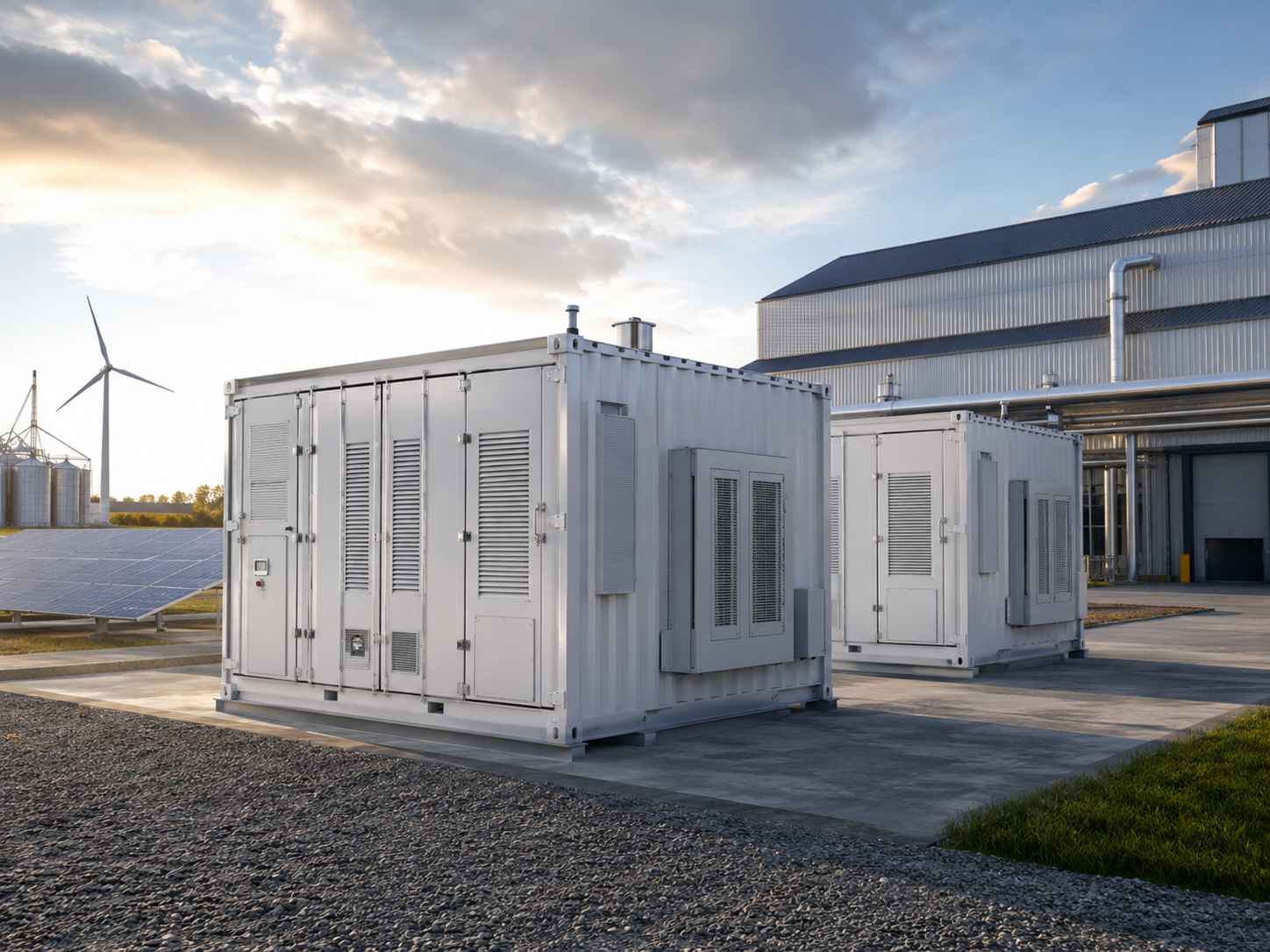
Installation method is another important factor. Some households may be more suitable for wall-mounted or floor-standing systems to save installation space; others may need stackable or rack-mounted battery units to achieve higher capacity. Before choosing a system, thoroughly assess available indoor or outdoor installation space.
System compatibility also needs attention. If a home already has solar panels or existing inverters installed, the battery system must be carefully selected to ensure proper integration and stable operation. For new solar projects, integrated solutions can combine solar storage and energy management into one system, simplifying overall deployment.
For household users interested in home solar power storage, SAMAS offers various residential storage options that support backup power, solar self-consumption, off-grid applications, and expandable home energy systems.
The way households use energy is changing. Users are no longer just focused on solar panels themselves but are seeking greater control over electricity use, more reliable power supply, and stronger energy independence. Home battery storage solutions can make these goals a reality by storing solar power, reducing grid dependency, and enhancing household energy resilience.
With the right solar power storage for home, families can use more self-generated solar energy, reduce nighttime grid electricity purchases, support critical appliances during power outages, and prepare for future energy needs such as EV charging. A well-matched home battery energy storage system can upgrade a solar photovoltaic system from a "daytime power generation device" to a more complete home energy solution.
SAMAS offers home solar and battery systems tailored to actual residential energy needs, including integrated systems and modular battery storage solutions. If you are planning a home solar storage project or need help choosing the right system capacity and configuration, feel free to contact us to further discuss your home storage needs.