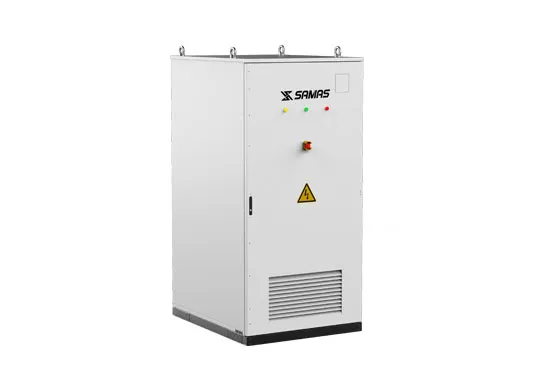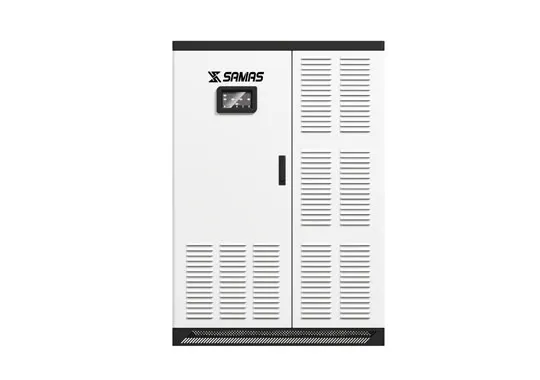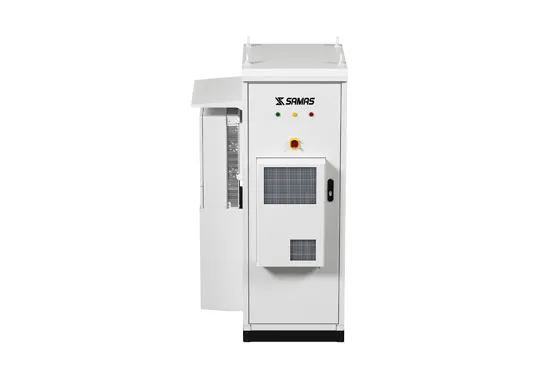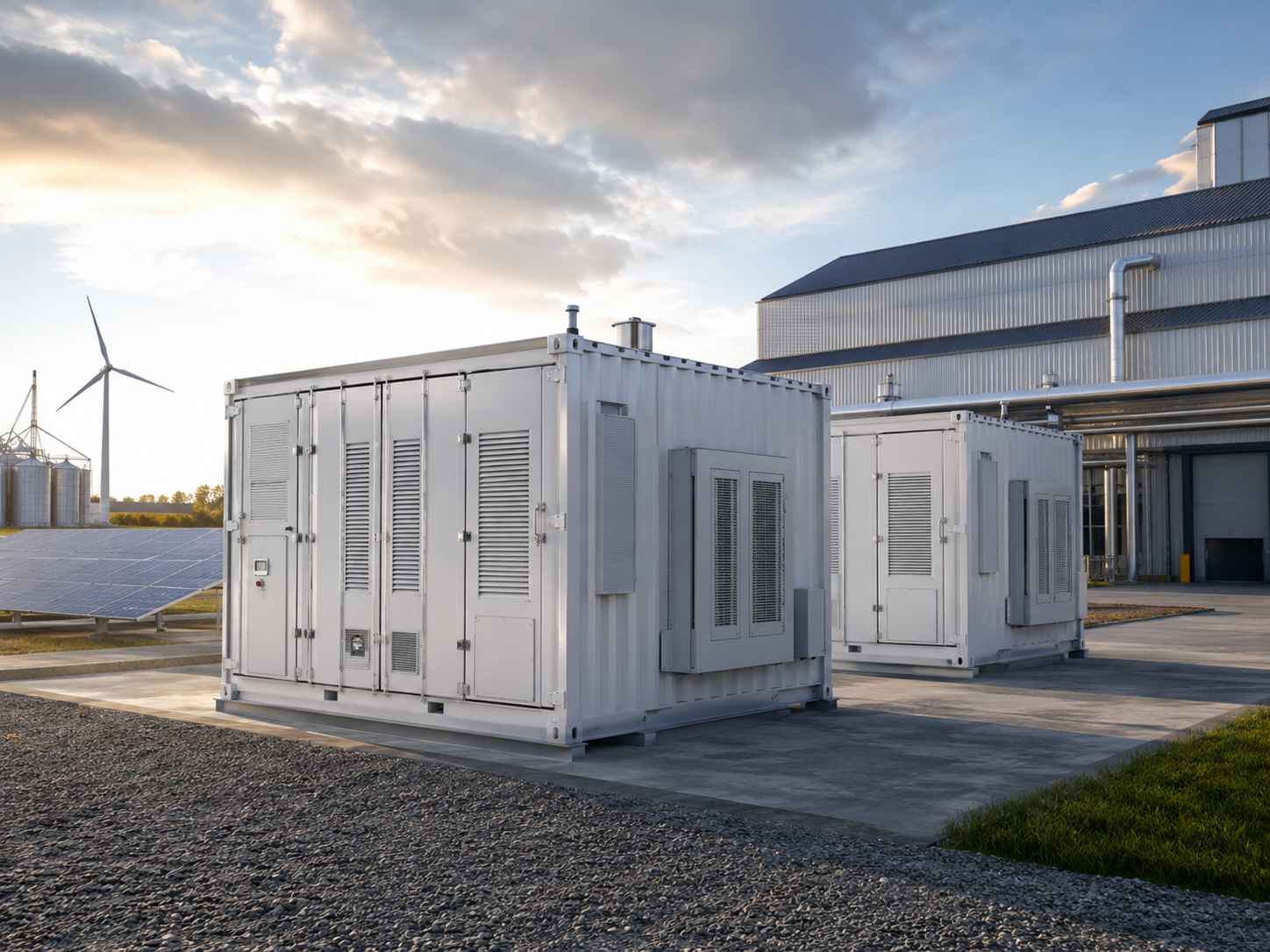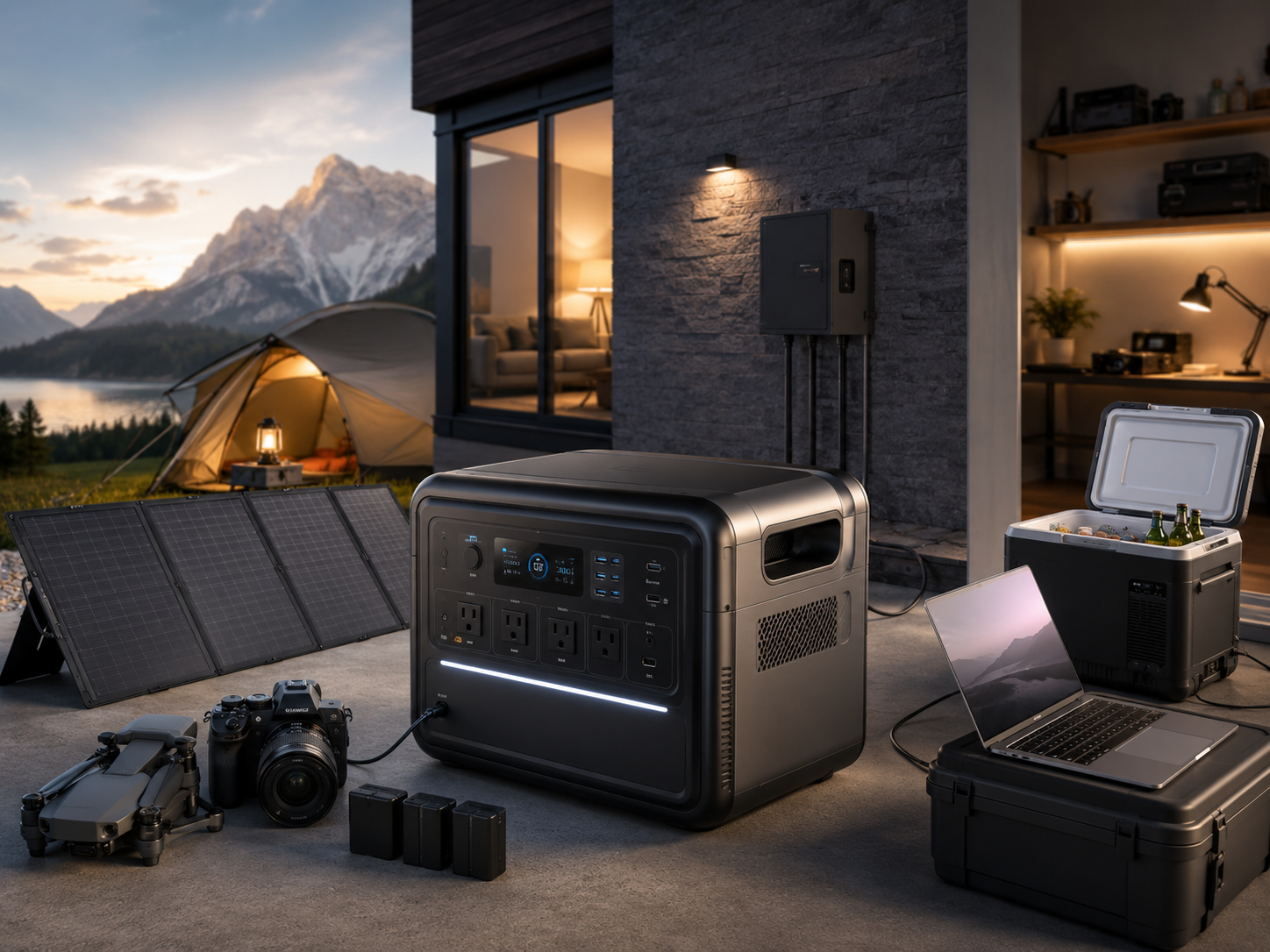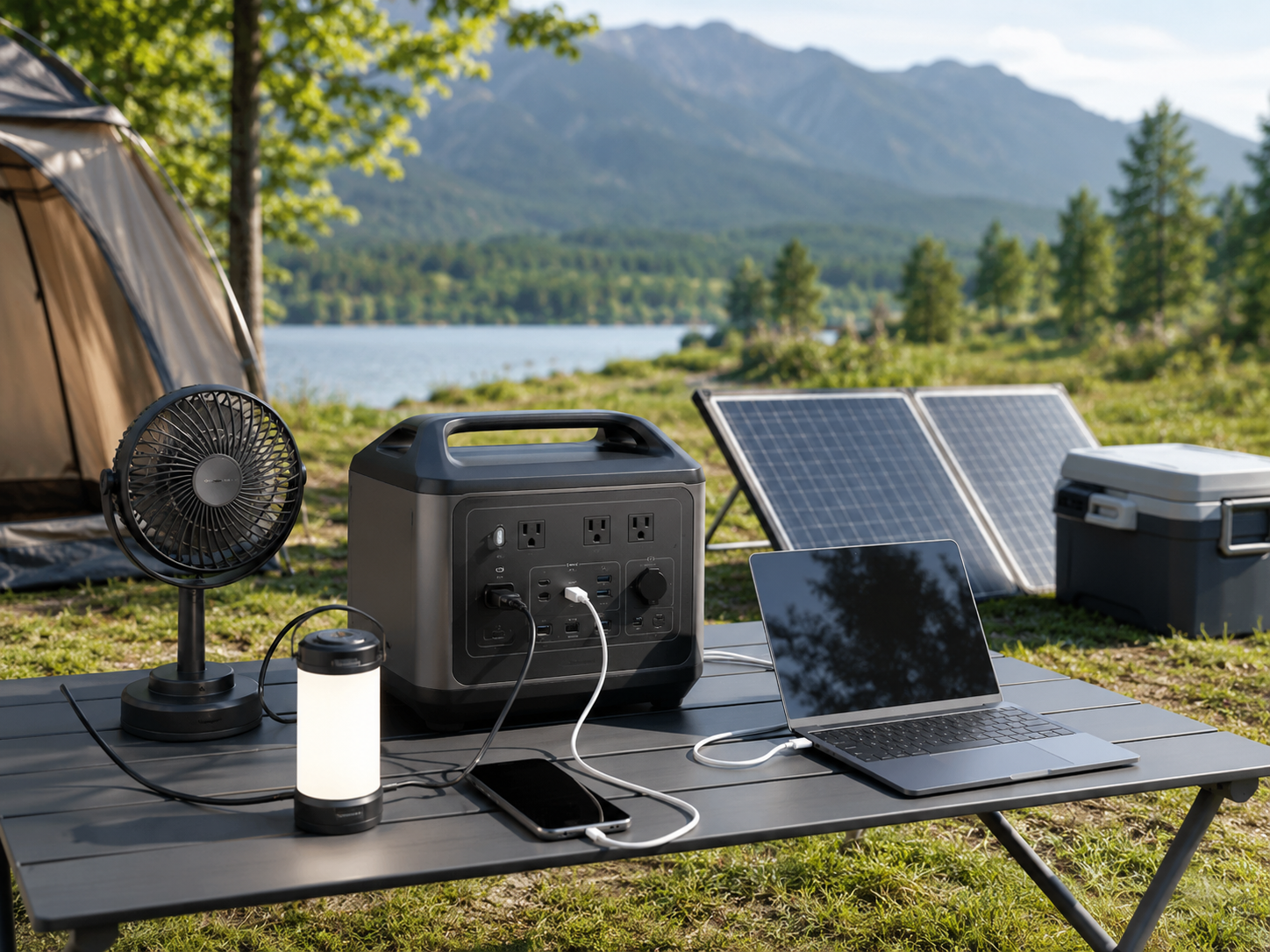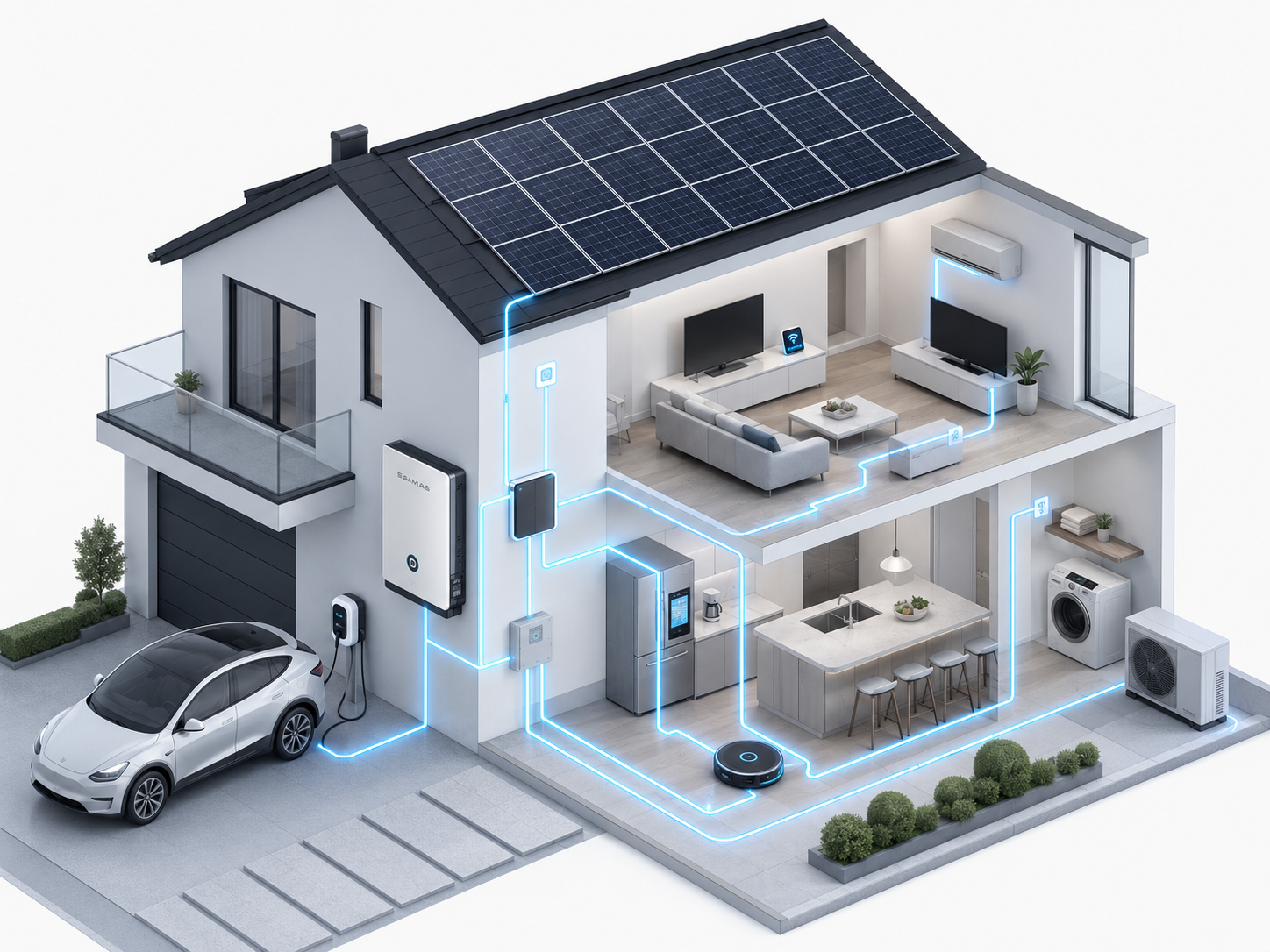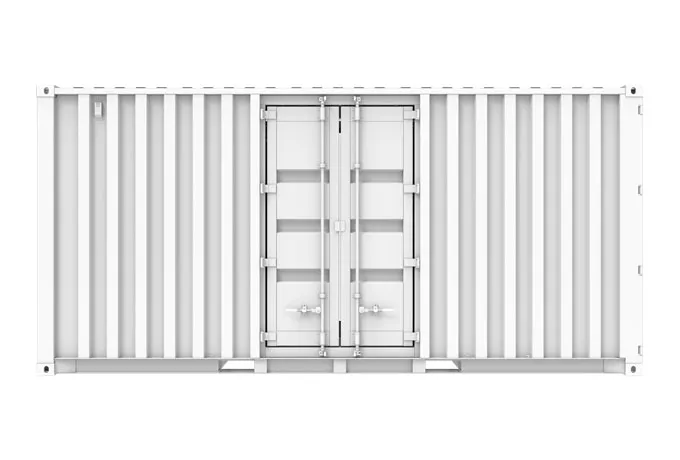
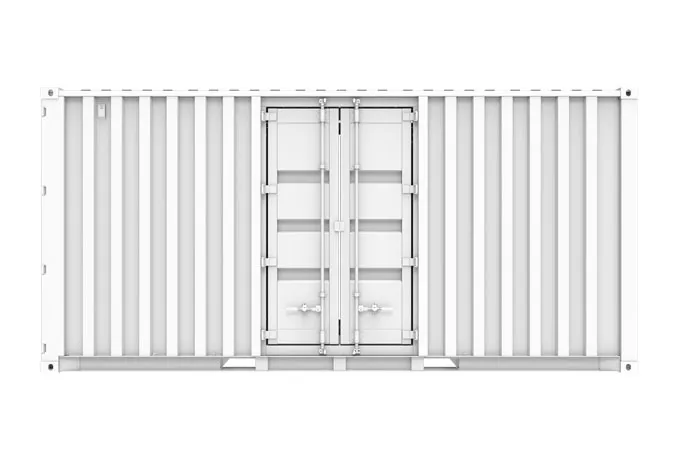
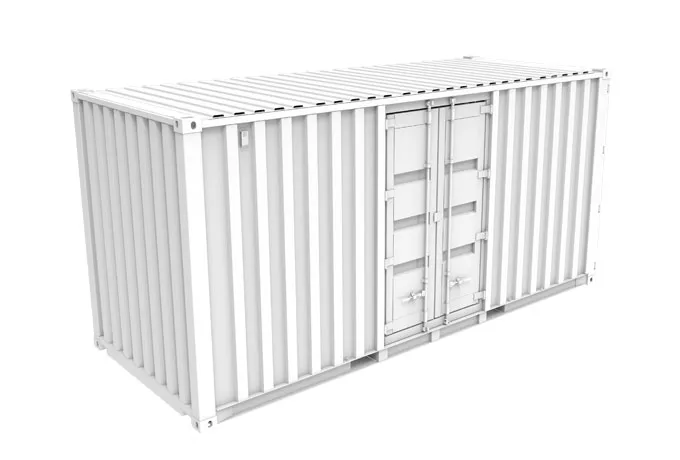
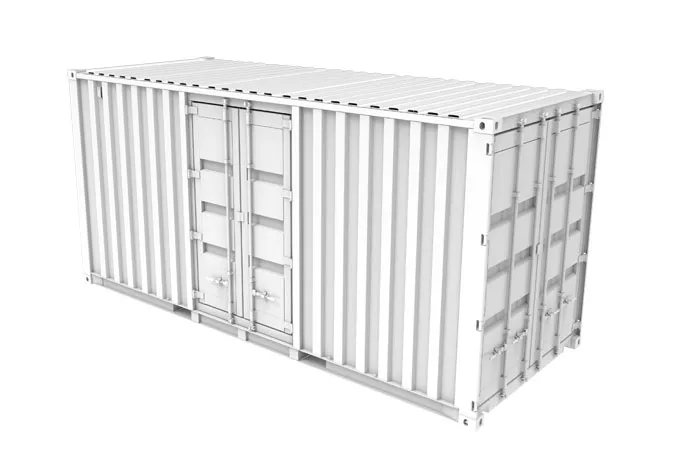
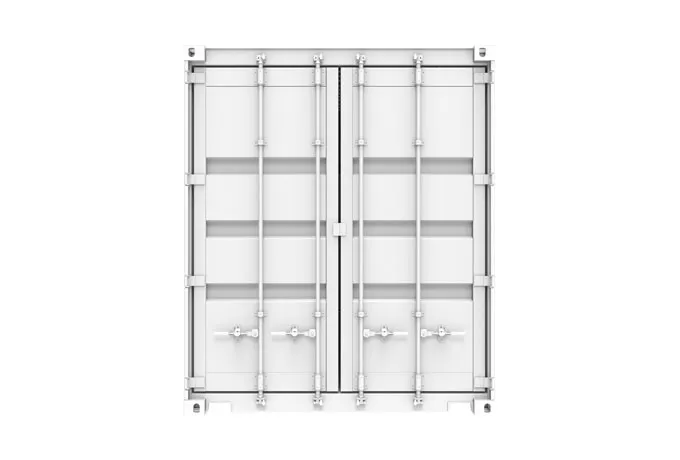
A SAMAS container energy storage system is designed for commercial and industrial energy storage, renewable energy integration, microgrid support, peak shaving and backup power. By integrating battery modules, PCS, BMS, EMS, thermal management and safety protection into a containerized structure, the system supports scalable deployment for different project sites.
Main Features:
Multiple working modes can be flexibly set.
Support real-time online monitoring of system status.
Support battery management system and comprehensive thermal management.
Support simultaneous access to load, battery, grid, DG, and PV.
The electrical compartment and battery compartment are separated to prevent runaway spread of heat.
Integrated design, easy to transport and install, flexible deployment.
A container energy storage system is a large-scale battery storage solution installed in a container structure. It can store electricity from the grid, solar power or wind power, and then discharge energy when power demand increases, electricity prices rise or backup power is required.
| Module | Function | Buyer Concern |
| Battery System | Stores electrical energy | Capacity, cycle life, safety |
| PCS | Controls power conversion | Power rating and grid compatibility |
| BMS | Monitors battery status | Protection, balancing and safety |
| EMS | Optimizes energy dispatch | Peak shaving, self-consumption, scheduling |
| Thermal Management | Controls system temperature | Stable operation in project environments |
| Fire Protection | Improves system safety | Project compliance and risk control |
A containerized energy storage system is suitable for factories, industrial parks, solar farms, wind power projects, EV charging stations, remote microgrids, mining sites and commercial facilities that require stable power supply, flexible energy management, and battery storage for business solutions.
Project buyers should evaluate load profile, required backup time, available installation space, ambient temperature, renewable energy input, grid connection requirements and future capacity expansion. SAMAS can help project teams compare system capacity, PCS power, cooling method and control strategy before final selection.
| ||
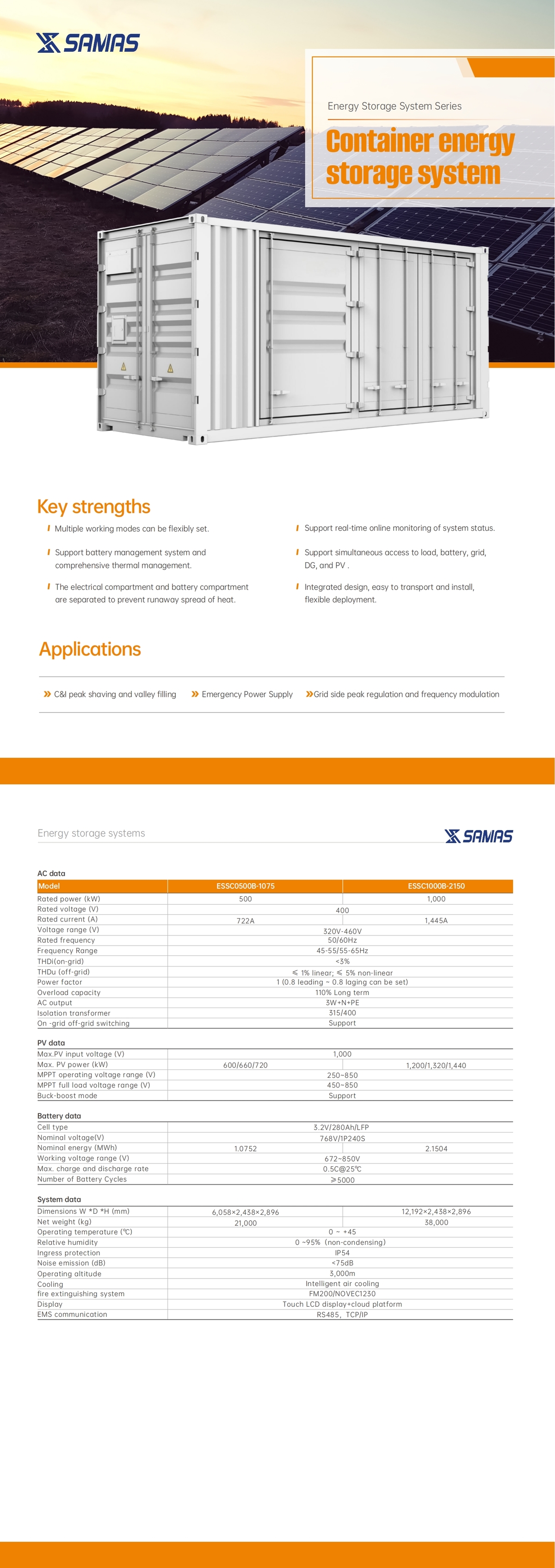
Model | ESSC0500B-1075 | ESSC1000B-2150 |
Rated power (kW) | 500 | 1,000 |
Rated voltage (V) | 400 | |
Rated current (A) | 722A | 1,445A |
Voltage range (V) | 320V-460V | |
Rated frequency | 50/60Hz | |
Frequency Range | 45-55/55-65Hz | |
THDi(on-grid) | <3% | |
THDu (off-grid) | ≤ 1% linear; ≤ 5% non-linear | |
Power factor | 1 (0.8 leading ~ 0.8 laging can be set) | |
Overload capacity | 110% Long term | |
AC output | 3W+N+PE | |
Isolation transformer | 315/400 | |
On -grid off-grid switching | Support | |
PV data | ||
Max. PV input voltage (V) | 1,000 | |
Max. PV power (kW) | 600/660/720 | 1,200/1,320/1,440 |
MPPT operating voltage range (V) | 250~850 | |
MPPT full load voltage range (V) | 450~850 | |
Buck-boost mode | Support | |
Battery data | ||
Cell type | 3.2V/280Ah/LFP | |
Nominal voltage(V) | 768V/1P240S | |
Nominal energy (MWh) | 1.0752 | 2.1504 |
Working voltage range (V) | 672~850V | |
Max. charge and discharge rate | 0.5C@25℃ | |
Number of Battery Cycles | ≥5000 | |
System data | ||
Dimensions W *D *H (mm) | 6,058×2,438×2,896 | 12,192×2,438×2,896 |
Net weight (kg) | 21,000 | 38,000 |
Operating temperature (℃) | 0 ~ +45 | |
Relative humidity | 0 ~95%(non-condensing) | |
Ingress protection | IP54 | |
Noise emission (dB) | <75dB | |
Operating altitude | 3,000m | |
Cooling | Intelligent air cooling | |
Fire extinguishing system | FM200/NOVEC1230 | |
Display | Touch LCD display+cloud platform | |
EMS communication | RS485, TCP/IP | |

 AC data