Vehicle electrification is accelerating globally, and at the heart of this revolution are Vehicle Power Batteries. While offering exceptional performance and sustainability, a common concern for owners is the inevitable degradation of driving range over time. This loss of capacity can impact a vehicle's utility and residual value.
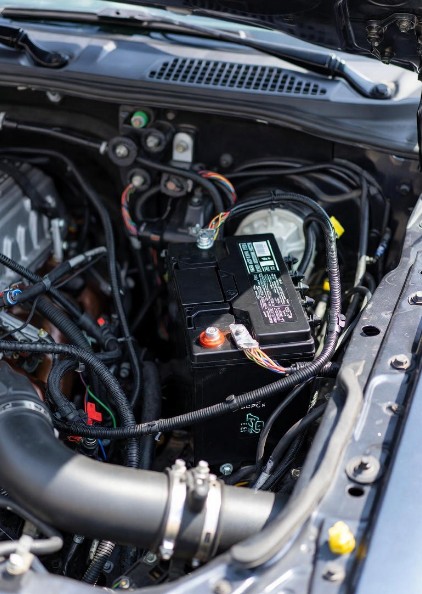
For EV owners, understanding why degradation occurs is the first step toward prevention. The capacity loss in Vehicle Power Batteries is not a sudden failure but a slow, continuous chemical process. The main culprits are:
Parasitic Reactions: These reactions consume active lithium, the very element responsible for charge and discharge. This often results in the growth of the Solid Electrolyte Interphase (SEI) layer on the anode.
Cathode Structural Change: Repeated cycling causes micro-stresses in the cathode material. Over time, this leads to material breakup and reduced ability to host lithium ions, permanently lowering capacity.
Temperature Stress: Operating Vehicle Power Batteries outside their optimal thermal window accelerates both parasitic reactions and structural changes significantly.
Drawing on our expertise in optimizing charging cycles for mobile devices and energy storage, SAMAS emphasizes that charging behavior is the greatest lever owners have to control battery life. We recommend a strategic approach to protect the health of your Vehicle Power Batteries:
Maintain the Middle Ground: Avoid habitually charging to 100% or draining below 20%. Operating within the 30% to 70% or 20% to 80% window reduces the stress (high voltage/low voltage) on the cells, drastically slowing chemical wear.
Prioritize Level 2 AC Charging: Fast DC charging is convenient but generates more heat and current stress. Use slower AC charging as your daily routine to minimize thermal degradation effects on your battery.
Avoid Prolonged Storage at Extremes: If your EV will be parked for an extended period, ensure the charge level is near 50% to minimize the internal chemical degradation rate.
Temperature control is arguably the most critical engineering factor in battery longevity. Every modern EV comes with a sophisticated Battery Management System (BMS) for thermal control, but owners can assist this process:
Pre-conditioning: Utilize your vehicle's features to pre-condition the cabin while plugged in. This uses grid energy to warm/cool the Vehicle Power Batteries to an ideal temperature before driving, maximizing efficiency and minimizing internal stress.
Parking Strategy: In hot weather, park in the shade or a garage to reduce the ambient temperature strain on the battery pack. High temperatures accelerate all forms of chemical degradation.
While range degradation is a reality for all lithium-ion batteries, it does not have to be a major obstacle. By adopting informed charging and thermal management practices, EV owners can effectively take control of their Vehicle Power Batteries lifespan.